How thoughtful design transforms dated spaces into refined, livable luxury
Every home holds potential—but realizing that potential requires vision, expertise, and intention. Whether it’s a dark, compartmentalized layout or a palette frozen in a previous decade, the process of transformation reveals the true power of design.
When we look at residential interior design before and after, we see more than surface changes. We see how a space can evolve to reflect a new lifestyle, a more sophisticated aesthetic, or a renewed sense of comfort and functionality. These transformations aren’t just about what’s added—but about what’s resolved, reimagined, and refined.
Let’s explore how high-end design takes homes from outdated to elevated—one space, one decision, one story at a time.
Before: Closed-Off and Disconnected
After: Open, Layered, and Connected
Many older homes were designed with isolated rooms and narrow sightlines that make even large spaces feel constrained. The first step in a transformative redesign is often about opening the space—physically and visually.
Luxury interior designers use architecture to create a sense of flow. Walls may come down, but the openness is structured with subtle transitions, like ceiling changes, floor inlays, or custom built-ins that guide movement. The result is a layout that feels expansive yet intentional.
In one Kern & Co. project, a dated floor plan with small, segmented rooms was reworked into a fluid great room, anchored by a sculptural staircase and custom fireplace. The transition wasn’t just spatial—it was emotional. The home suddenly felt like it belonged to the present.
Before: Generic Finishes
After: Tailored Materials With Character
Older interiors often rely on builder-grade finishes—laminate counters, basic tile, uninspired cabinetry. These materials wear quickly and lack the depth that defines a luxurious environment.
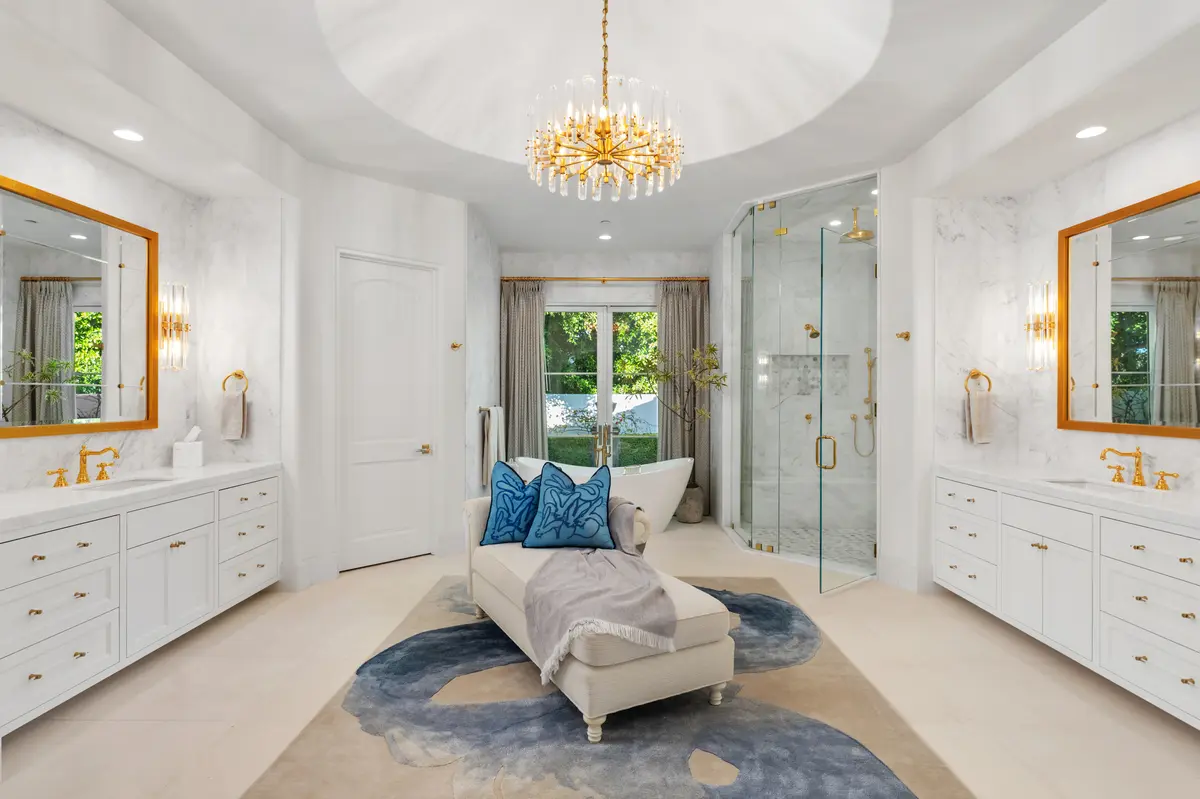
Residential interior design before and after clearly shows how material upgrades change everything. Stone countertops with unique veining, hand-finished wood cabinetry, matte plaster walls, and unlacquered metal details all introduce texture, tone, and personality.
Designers don’t just choose based on appearance—they consider how materials patina, how they interact with light, and how they reflect the architecture of the home. The result is a space that feels grounded, enduring, and custom.
Before: Mismatched or Outdated Furnishings
After: Cohesive, Custom, Collected Interiors
Furniture in dated homes is often piecemeal—gathered over time, mismatched in scale, or chosen more for utility than beauty. Elevating a home’s interior means curating pieces that speak to each other and the space they occupy.
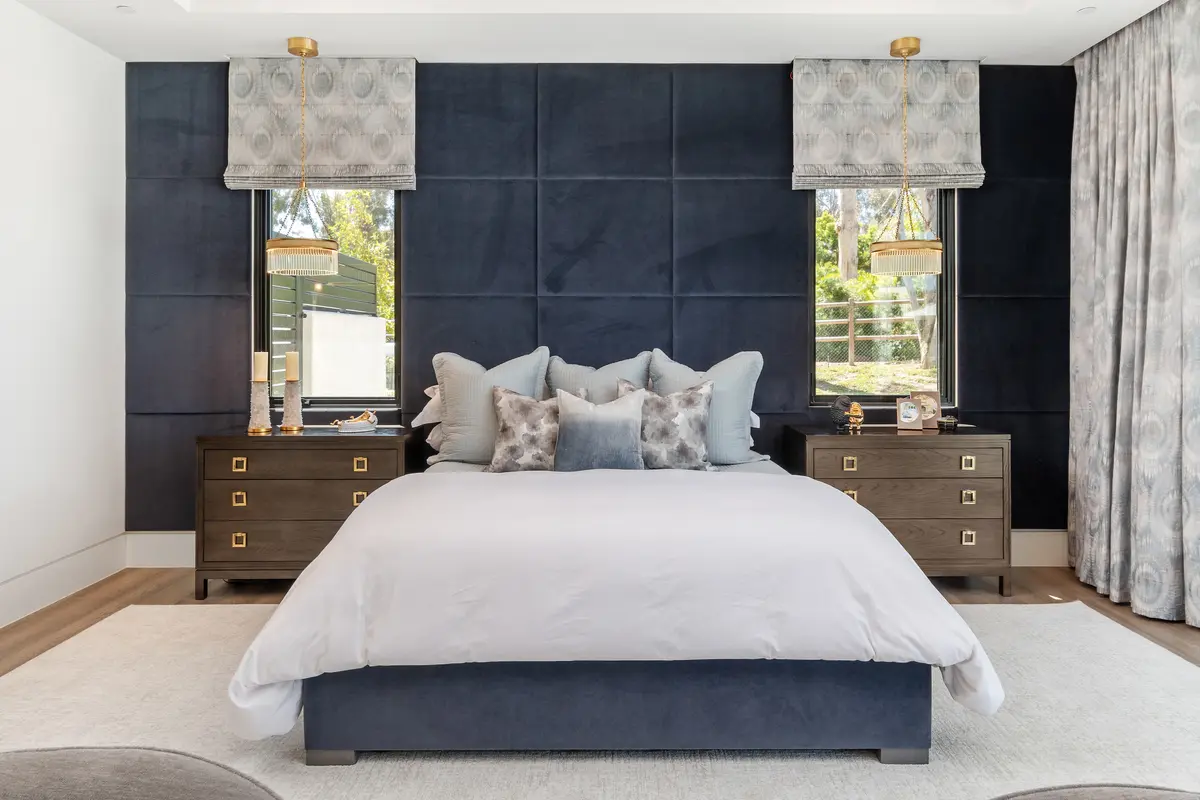
Custom upholstery, millwork, and casegoods allow designers to control scale, silhouette, and finish, creating a unified language throughout the home. Even if styles mix—modern lines with vintage accents, for example—there’s a clear rhythm and refinement.
In one transformation, a formal living room filled with bulky, dark pieces was reimagined with a muted palette, a floating stone console, and sculptural seating. The room didn’t just look better—it functioned more intuitively for how the family lived.
Before: Dim and Underlit
After: Layered, Architectural Lighting
Many older interiors suffer from poor lighting—single overhead fixtures, dark corners, and minimal natural light. A full transformation requires a lighting plan that supports mood, function, and beauty.
Designers layer lighting intentionally: recessed ceiling lights, statement pendants, sconces, under-cabinet lighting, and integrated LEDs within millwork. These layers highlight architectural features, enhance texture, and allow for flexibility depending on time of day or occasion.
Updated window treatments, mirrors, and finish selections also contribute by maximizing natural light. After a remodel, the same room may feel twice as bright—without adding a single window.
Before: Function Struggles
After: Spaces That Support Daily Life
Beyond aesthetics, luxury design must solve problems. Poor layout, inadequate storage, and inefficient circulation are all common in dated homes—and all fixable with good design.
Through space planning, built-ins, and thoughtful detailing, designers optimize how a home functions. A once-cramped entryway becomes a welcoming foyer with integrated storage. A dark den becomes a serene office with soundproofing and layered lighting. A cluttered kitchen transforms into a chef-worthy space with hidden appliances and tailored work zones.
The “after” isn’t just more beautiful—it’s more livable.
Before: A House That Doesn’t Reflect Its Owners
After: A Home That Tells a Personal Story
At the heart of every successful redesign is one goal: making the home feel truly personal. Too often, dated interiors lack identity—they reflect trends or builders, not the people living there.
Through custom finishes, collected art, meaningful heirlooms, and intentional styling, designers create environments that feel lived-in, loved, and deeply individual. The personality is in the details: the carved console that echoes a family heritage, the custom banquette where morning routines unfold, the color palette drawn from a favorite destination.
The most powerful aspect of residential interior design before and after is the emotional shift—from impersonal to intimate.
A beautifully designed home doesn’t just look new—it feels right. Through skilled interior design, outdated spaces are elevated into personalized sanctuaries where every detail supports the client’s lifestyle and story.
These transformations are not about trends—they’re about timelessness, clarity, and the quiet luxury of a home that’s been designed just for you.
Interior Design Articles