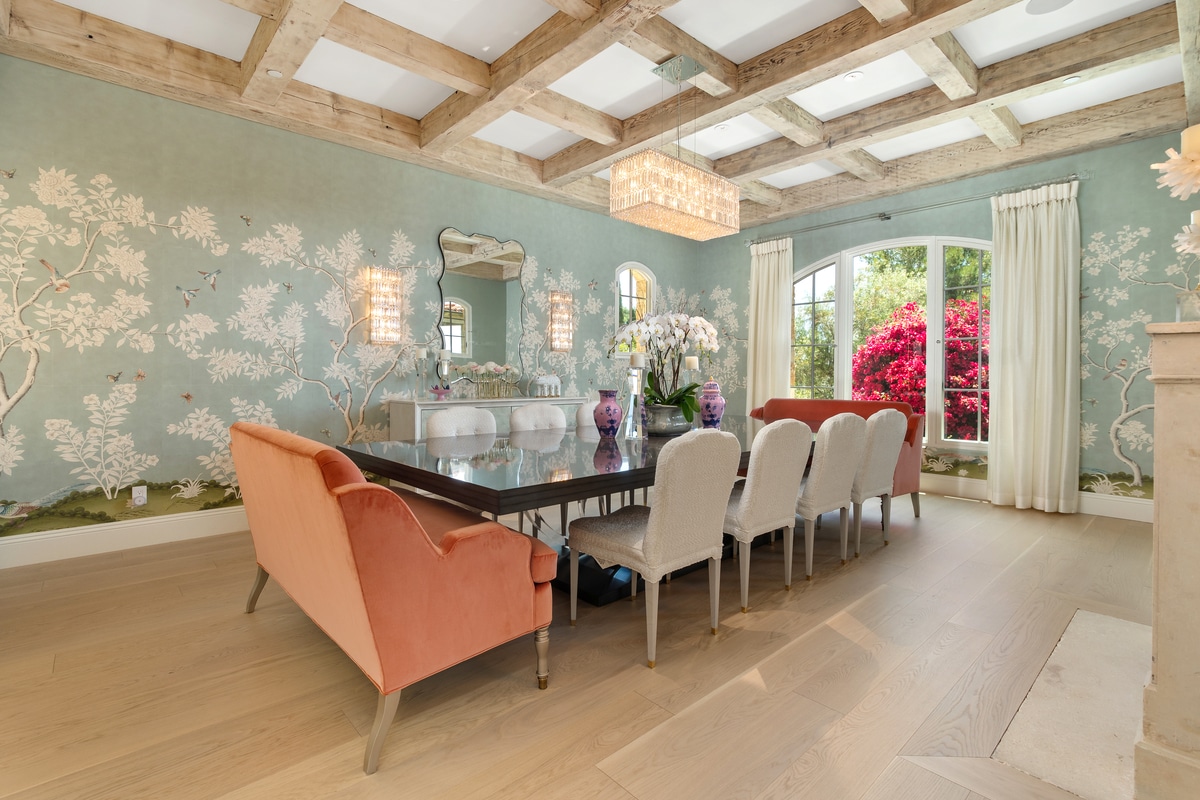
How scale, texture, and tone bring cohesion and softness to luxury interiors
In high-end interior design, the most powerful elements are often the quietest. And few pieces illustrate this better than a well-chosen area rug. More than just a floor covering, the rug serves as a foundational layer—one that grounds the furniture, softens hard surfaces, and adds subtle depth to a room’s overall composition.
Thoughtful area rug selection can transform a space from incomplete to composed. It’s not about bold patterns or eye-catching contrast—it’s about how the rug supports the architecture, enhances the material palette, and reinforces the emotional tone of the room.
Here’s how designers approach area rug selection to bring quiet refinement to every space.
Establishing Scale and Boundaries
One of the most immediate ways rugs influence a room is through scale and spatial definition. In open-plan homes or large-format layouts, area rugs help define zones—anchoring seating areas, framing dining tables, or creating transitions between one space and the next.
Designers are highly intentional about rug sizing. Too small, and a rug can visually shrink the room or make furnishings feel disconnected. Too large, and it may overwhelm circulation or hide architectural features.
Ideally, the rug allows all key furniture pieces—such as the front legs of a sofa and the entire surface under a dining table—to rest comfortably within its boundaries. This brings a sense of order and cohesion that supports the overall layout.
Layering Texture and Softness
In rooms defined by stone, plaster, glass, or metal, a rug offers a welcome counterbalance of warmth and tactility. Whether hand-knotted wool, silk-blend, or flat-weave natural fiber, the texture of a rug adds visual softness and physical comfort underfoot.
Designers often use rugs as a way to quiet a room visually, especially when other materials have strong veining, grain, or movement. Neutral-toned rugs with low contrast can absorb light and bring harmony to the palette.
In some cases, layering rugs—such as a large natural fiber base topped with a more intricate vintage textile—adds richness and lived-in luxury.
Color and Pattern as a Supporting Layer
In luxury interiors, rugs rarely dominate the design. Instead, they support the mood of the space through carefully curated color and pattern. This may mean a tonal rug that subtly echoes the wall color, or a piece with soft patterning that adds movement without distraction.
Designers avoid overly trendy motifs or synthetic color blends, favoring rugs that feel timeless, hand-crafted, and connected to the material story of the home.
A muted geometric design might reference architectural lines. An antique Persian rug might soften a modern composition. The key is harmony—not attention-seeking.
Complementing Furniture and Art Without Competition
Area rugs serve as a backdrop, not a headline. When paired with sculptural furniture, curated art, and custom millwork, the rug should enhance without competing. Its role is to ground the space and make the rest of the design feel complete.
To achieve this, designers consider pile height (low for high-traffic areas, plush for intimacy), edge detail (bound, fringed, or flush), and how the rug sits in relationship to furniture legs, built-ins, and walkways.
Even the light reflectivity of the rug—matte vs. lustrous—can influence how a room feels at different times of day.
Supporting the Overall Design Narrative
In luxury interiors, every layer speaks to the broader story of the home—and the area rug is no exception. It may be a custom piece made to fit precise dimensions. It may be vintage, introducing a sense of history and patina. Or it may be a quiet textural field that gives space for other elements to shine.
Whatever the choice, the rug becomes a connector—tying together color, material, and intention across the room.
Finishing a Room With Subtle Authority
There’s a noticeable shift when the right area rug is placed in a room. The acoustics soften. The furniture settles. The energy becomes grounded. It’s the moment when a space stops feeling “in progress” and begins to feel complete.
That’s the power of thoughtful area rug selection: not as an accessory, but as a foundational layer that brings quiet authority and understated luxury to every corner of the home.
Interior Design Articles