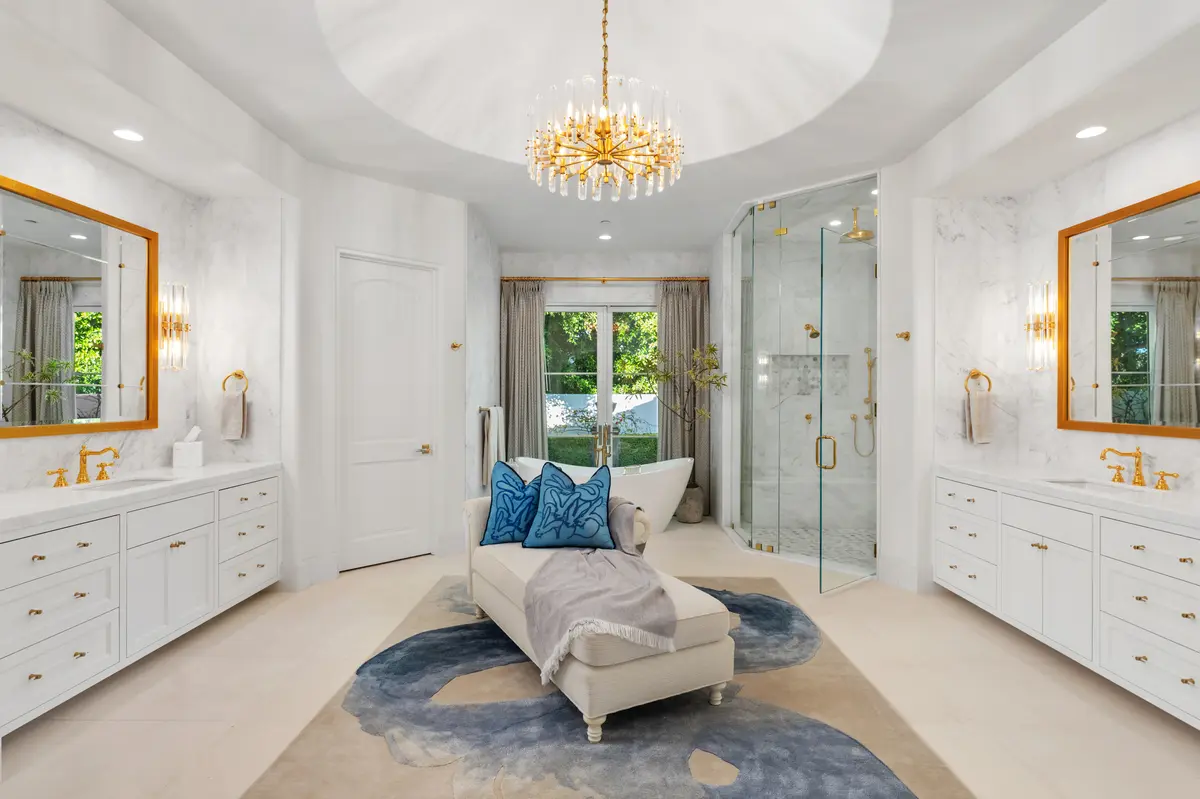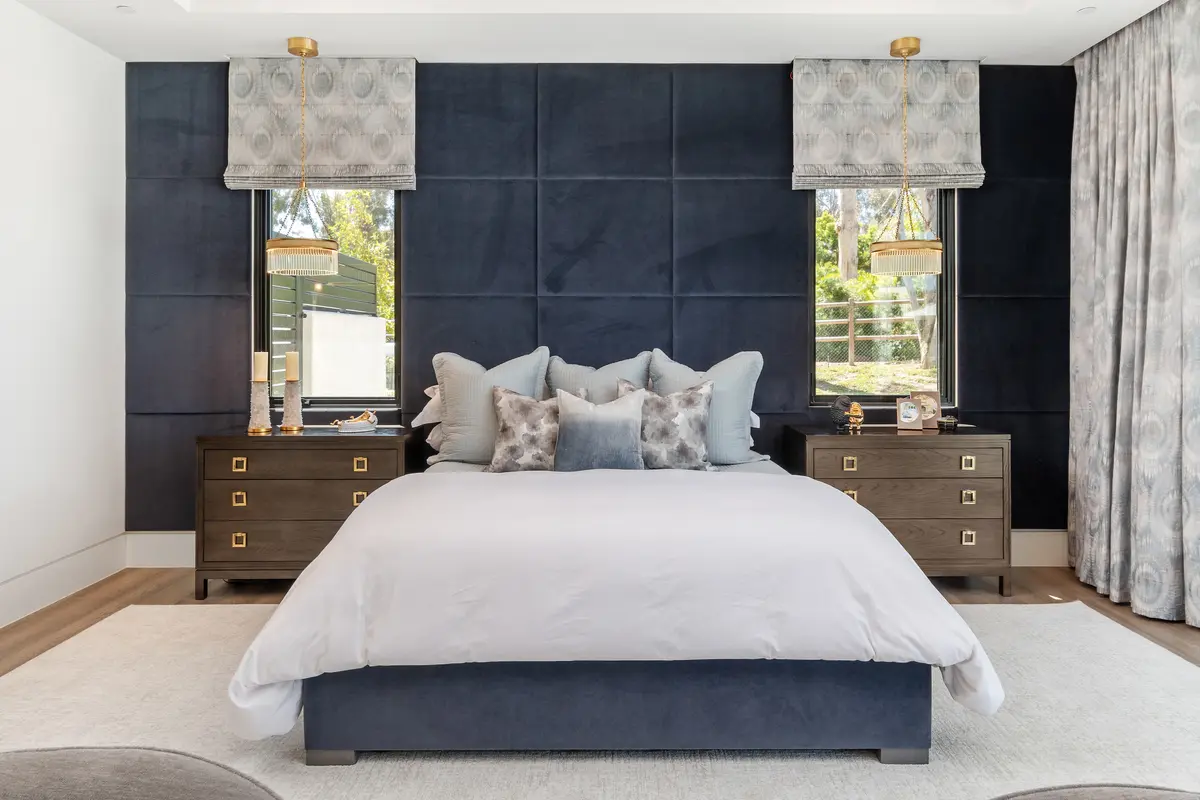
Open-concept living has evolved. In residential interior design 2025, the goal isn’t only to remove walls; it’s to orchestrate movement, light, and daily routines so large spaces feel composed, comfortable, and easy to live in. Done well, an open plan reads like a sequence of rooms—conversation, dining, cooking, work, and quiet—without ever erecting a partition. The difference comes down to planning: furniture at the right scale, custom millwork that swallows clutter, layered lighting tied to activities, and window treatments that shape daylight instead of fighting it.
This guide translates a full-service studio’s approach into buildable moves. Whether you’re renovating or refining a new build, these strategies will help you choreograph zones, specify built-ins, and calibrate flow so an open plan feels intentional from first sketch to final styling.
Start with a map of real life—then size the room to it
The most successful open plans begin with a use inventory. Designers list the routines a home must support, then “draw the day” across the footprint. Only after that do they choose furniture and finishes.
- Define zones by activity, not by furniture catalogs: a lounging conversation area oriented to views and a fireplace; a dining zone that handles everyday and guests; a work niche that disappears when not in use; a kitchen that balances performance with hospitality; and a quiet corner to read or take calls.
- Work in measured clearances. Comfort has numbers: target 42–48 in. for primary aisles; 60 in. between parallel islands; 36–42 in. around the dining table; 24 in. for chair pull-back; 30–36 in. around coffee tables for easy passes.
- Float the seating group. Pull the sofa off the wall and center the conversation on a full-size rug; let circulation glide around the group rather than through it.
- Align with architecture. Center sofas and tables on window and ceiling axes; when architecture is asymmetrical, a single strong rug and table can visually “square the room.”
A simple, scaled plan (even in pencil) becomes the north star. With functions blocked out, every subsequent decision—lighting, cabinet depths, shade pockets, outlet locations—has a clear rationale.
Zone with millwork, not walls
Open spaces look calm when storage acts like quiet architecture. In residential interior design 2025, built-ins define zones, manage sightlines, and keep surfaces clear—no partitions required.
- Media & display walls. A tailored wall unit can anchor the living zone, conceal a TV behind paneling or sliding screens, and display art or books with integrated, low-heat lighting. Add vent paths and shadow reveals so tech runs cool and the composition stays crisp.
- Kitchen scullery or working pantry. Even 5–7 feet behind pocket doors transforms life: secondary sink/dishwasher, small appliances, and bulk storage shift the “work” offstage so the main kitchen feels tranquil.
- Dining buffets and bars. A shallow credenza along the dining route hides linens, flatware, and bar gear; specify touch-latch doors or thin metal pulls to keep faces minimal.
- Entry and mudroom spines. In open plans, clutter migrates. Build a discrete drop zone—bench, concealed shoe drawers, bag cabinet, and a charging drawer—near the door so the great room stays serene.
Use one lead wood, one dominant metal family, and a coherent finish vocabulary across built-ins. Continuity is what makes multiple “rooms” read as one composition.
Rugs, ceilings, and low furniture: the quiet dividers
Architecture isn’t the only way to define space. A few well-chosen elements create legible zones without adding visual noise.
- Rugs set the stage. Size up so all front legs (often more) land on the rug; in large volumes, a 9×12 is a starting point, 10×14 or 12×15 often better. A secondary rug can define a reading corner or hearth bench.
- Ceiling details guide the eye. Beams, coffers, and subtle recesses cue where one activity ends and another begins. Keep details aligned to furniture centers and major axes; avoid “decoration” that isn’t spatially useful.
- Low, solid tables ground zones. A stone plinth or ebonized wood coffee table reads like an anchor. End tables on slim legs keep edges light so circulation feels effortless.
- Screens and open shelving—sparingly. If you need a whisper of separation, use open shelving with exact sightline control; keep it curated so it reads architectural, not cluttered.
Think low and layered, not tall and busy. The room feels expansive because the eye can travel while the feet understand where to go.
Flow is a path, not a corridor
Great flow invites easy, natural movement. It’s less about wide aisles than about clear decisions.
- Avoid “decision points” without reward. Where paths intersect, place something worth walking toward: a fireplace composition, a window framed by drapery, a console with art.
- Curve routes around zones. Let circulation arc around the conversation group rather than slicing between sofa and chairs; the zone feels protected, not transient.
- Design “landings” at thresholds. A slim console or plinth near a slider offers a place for a glass or a branch—small moments that slow the pace and reduce bump-throughs.
- Mind backpacks and trays. Open homes host entertaining and daily life; ensure routes accommodate a tray in hand or a child’s backpack without side-steps.
If you can walk the space on paper—enter, pause, explore, sit, dine, cook, linger—without confusion, you’ve solved flow.
Open kitchens that entertain and actually work
In open plans, the kitchen is a stage and a workshop. The 2025 playbook focuses on zoned performance and visual calm.
- Islands that do more. One island for prep and cleanup, one for serving and seating if space allows. If not, split a single island into halves: prep on one side with trash, seating on the other with storage for placemats, napkins, and games.
- Scullery solves serenity. Hide microwaves, coffee gear, toasters, slow cookers, and a secondary dishwasher behind pocket doors. Your primary counters remain clear during parties and weeknights alike.
- Panel-ready appliances with breathing room. Confirm hinge swing, venting, and panel thickness in shop drawings; integrate slim reveals and toekick micro-vents so the wall reads monolithic, not patchwork.
- Undercabinet and in-cabinet lighting. Continuous, diffused light along counters; soft interior lighting for glass bays or bars. In open plans, glittery kitchens compete with living zones—keep task light precise and ambient light quiet.
For finishes, choose two to three materials total—think rift-oak, honed quartzite, and a single metal family—so the kitchen harmonizes with adjacent spaces.
Lighting by scene: one space, many moods
An open plan can’t rely on a single switch. The 2025 standard is scene-based control that treats light like an instrument.
- Ambient layer: concealed coves or well-placed recessed fixtures (with regressed trims for comfort) set the base glow.
- Task layer: focused downlights at kitchen surfaces, reading lamps at seating, vertical sconces near mirrors or art.
- Accent layer: adjustable heads graze plaster or stone; slender picture lights animate art; micro-LEDs inside shelves add depth.
- Keypad scenes: label Morning, Afternoon, Evening, Entertain, All Off; place keypads at logical decision points (entry, kitchen, primary seating, bedside).
When lighting honors how you use the space—work, gather, unwind—the plan feels effortless at any hour.
Shades and drapery are part of the plan (not afterthoughts)
Daylight drives mood, and UV drives maintenance. Integrate window treatments in the drawings, especially in open volumes with generous glass.
- Motorized rollers in header pockets disappear when up and tame glare when down; pair light-filtering for day with blackout where you watch films or sleep nearby.
- Stack-backs for drapery must be calculated to keep glass clear; interline panels to improve hang and acoustics in echo-prone spaces.
- Orientation matters. East-facing zones need gentle morning control; west-facing areas require robust afternoon defense. Tie shade groups to lighting scenes so transitions happen with one tap.
Treat daylight like any other layer: adjustable, intentional, and beautiful.
The home office that doesn’t hijack the living room
Work never disappeared; it just learned to vanish on command.
- Pocket-desk cabinets sized for laptops and chargers tuck into the circulation edge of the plan; doors retract completely when open, close flush when not.
- Under-stair or niche offices gain power/data, a task light, and a pinboard panel; add a curtain or sliding screen to disappear the zone during gatherings.
- Acoustics first. A small rug, a fabric-wrapped tack board, and drapery nearby will make calls sound professional without a visible “office.”
The test: the room should read as a living space even when work is present.
Materials that bring warmth without chaos
Open concepts succeed when materials feel quiet and coherent.
- Wood: one primary species (e.g., rift-cut oak) across floors and major built-ins; shift value (light/mid/dark) to create depth instead of adding new species.
- Stone: honed or leathered finishes diffuse glare in sun-washed rooms; reserve dramatic slabs for focal points like the hearth or an island waterfall.
- Metals: choose one family (brass/bronze or nickel/steel) and repeat. Add a single accent at most.
- Textiles: performance weaves for primary seating; mix real linen/wool on pillows and throws. Keep patterns restrained; let texture do the work.
When the palette is disciplined, zones feel related without looking repetitive.
Acoustics: the invisible luxury
Open plans want to echo. Solve it while you’re designing zones.
- Rugs in seating and dining.
- Interlined drapery on large glass runs.
- Upholstered pieces with tactile weaves.
- Selective soft wall elements: a library wall, a fabric panel behind a console, or a plaster finish with hand movement.
You’ll hear the difference immediately—quieter rooms feel more elevated and more relaxing.
Room-by-room open-plan playbook for 2025
- Conversation zone
- Sofa depth: 38–42 in. for lounge comfort; pair with one sculptural coffee table.
- Chairs: choose curvature (barrel, sling) to soften lines.
- Lamp light at eye level; avoid overlighting from above.
- Dining zone
- Table: overscale relative to the footprint for presence; ensure 36–42 in. clearance all around.
- Chairs: upholstered seats in performance fabric; repeat the room’s primary metal at chair feet or chandelier for cohesion.
- Statement fixture centered to table and ceiling axes; keep lumens warm and dimmable.
- Kitchen zone
- Prep triangle or work zones defined by task; trash/recycling on the prep side, seating on the social side.
- Appliances: panel where possible; verify venting and reveals in shop drawings.
- Scullery: pocket doors, work-grade counters, task-first lighting.
- Work/reading niche
- Pocket desk with power/data and a door that disappears; task lamp and slim shelves.
- Chair that can migrate to dining for guests; multi-use is the open plan’s best friend.
- Outdoor connection
- Keep floor values compatible inside and out.
- Repeat furniture scale so terraces feel like rooms, not afterthoughts.
- Use shielded, low-glare lighting to respect night views.
Common open-plan pitfalls—and the 2025 fix
- Pitfall: A grid of recessed lights that ignores furniture.
Fix: Place for use; layer ambient/task/accent with keypad scenes. - Pitfall: Undersized rugs that let furniture float.
Fix: Size up so seating lands on the rug; add a secondary rug for a reading corner. - Pitfall: Media as a black hole.
Fix: Paneling or pocketing doors; vented cabinetry with shadow reveals. - Pitfall: Shade clutter added late.
Fix: Design header pockets and stack-backs in the plans; unify shade control with lighting scenes. - Pitfall: Too many materials fighting.
Fix: One wood, one stone, one metal family; let texture and value shifts create depth. - Pitfall: Clutter migration from entries.
Fix: Built-in drop zones with charging and closed storage at the door.
From big room to beautifully livable
The most compelling residential interior design 2025 projects prove that open-concept living isn’t about emptiness; it’s about clarity. When you zone with intention, furnish to human scale, integrate built-ins that make storage disappear, and choreograph light and shades as part of the architecture, a large volume becomes a series of gracious experiences. You’ll move comfortably, entertain easily, and settle in at the end of the day to a home that feels both expansive and quietly complete—open where it counts, intimate where it matters.
Interior Design Articles