There’s a common misconception that modern home decor is synonymous with cold rooms and hard edges. In practice, modernism at its best feels calm, tactile, and deeply comfortable—a distilled environment where every line has purpose and every material earns its place. The difference between stark and welcoming comes down to proportion, texture, light, and the quiet rigor of a plan that respects how people actually live. When those pieces align, minimalism becomes a sanctuary rather than a style exercise.
Modern spaces are not about owning less; they’re about owning with intention. They celebrate negative space, but they also celebrate the grain of a well-finished oak, the soft halo of a shaded lamp, the hand of a linen drape moving in coastal air. This guide explores how to craft modern rooms that feel warm and livable—from space planning and custom furnishings to layered lighting, window treatments, and finishing touches that create character without clutter.
Start With Flow, Not Furniture: Plan the Space Like a Modernist
Modern decor succeeds or fails on the invisible skeleton beneath it: the space plan. Before choosing a single chair, understand how people will move, gather, and relax.
- Anchor each zone with a purpose. In an open great room, define a conversation area, a dining area, and a reading corner rather than letting furniture drift. Use scaled drawings to confirm circulation clearances—comfort requires room to breathe.
- Let vistas do the heavy lifting. Modernism loves long sightlines. Align seating to views, art, or a fireplace composition and keep routes clear of obstacles. When in doubt, remove one piece rather than force a fit.
- Balance solids and voids. If you have strong architectural elements—beams, a monolithic hearth, full-height glazing—counter them with open floor around key pieces. Modern rooms feel generous when negative space is treated as a design element, not leftover square footage.
- Work from the big pieces down. Decide on sofa length, dining table size, and rug dimensions first. These set the scale for side chairs, tables, and ambient lighting. When the anchors are right, minimalism reads as intentional rather than sparse.
A thoughtful plan allows modern decor to relax. With flow resolved, fewer objects can do more.
Warmth Is a Material Choice: Build a Natural, Touchable Palette
If modern rooms go cold, it’s usually because the materials are too slick, too uniform, or too hard. The remedy is texture and natural variation.
- Wood with visible life. Rift white oak, walnut, or ash—finished in matte, oil, or hardwax—adds grain and warmth without visual noise. Use it in floors, millwork, or furniture.
- Stone with movement. Honed limestone, travertine, and marbles with quiet veining introduce organic pattern. Avoid overly glossy finishes; honed or leathered textures feel human and age gracefully.
- Textiles you want to touch. Linen, bouclé, wool, and cotton velvet absorb light and soften silhouettes. Performance versions of these fabrics deliver daily practicality without sacrificing hand.
- Soft metals. Unlacquered brass, bronzed steel, or brushed nickel patinate over time, adding depth that polished chrome can’t match. In a modern room, a single metal repeated with discipline can unify a whole level of the house.
- Plaster and paint that breathe. Hand-troweled plaster or mineral paints create subtle movement across large, quiet planes. Use them to keep expansive walls from feeling flat.
Limit the palette, but let each material speak in its true character. Modern decor becomes warm when surfaces invite touch and hold light gently.
Lighting Is Atmosphere: Layer It Quietly and Aim It Precisely
Minimalist rooms are unforgiving of sloppy lighting. The goal is not brightness; it’s clarity with softness.
- Ambient light that never glares. Concealed coves, integrated linear LEDs in millwork, and well-placed recessed fixtures create an even base. Recessed trims with regress or lenses reduce glare and visual clutter.
- Task light exactly where you live. Place reading lamps at chairs, directional downlights at counters, and soft vertical sconces at vanities. In modern decor, the right beam spread can do more than a grid of cans.
- Accent that reveals texture. Aim adjustable downlights to graze stone, plaster, or art. A narrow beam on a textured wall can turn something simple into the room’s quiet focal point.
- Scene logic for real life. Replace switch banks with discreet keypads labeled “Morning,” “Evening,” “Entertain,” and “All Off.” Modernism thrives when surfaces are calm; controls should be intuitive and minimal.
Think of lighting as the final coat of finish. It should flatter materials, respect views, and change pace from day to evening without drawing attention to itself.
Window Treatments Are Architecture: Shape Light, Don’t Block It
In modern spaces—especially with large glass walls—window treatments are part of the architecture. They manage glare, protect finishes, and contribute softness.
- Motorized roller shades disappear into header pockets when raised, preserving clean lines. Pair sheer or light-filtering fabrics for daytime and blackout layers for bedrooms or media spaces.
- Tailored drapery adds acoustic softness and elegance. Choose simple headings (two- or three-finger pinch, or a crisp ripple fold), interline to improve hang, and train panels so they fall in composed columns.
- Stack-backs should be calculated in the plan so drapery clears glass, not the view. Coordination with ceiling details and lighting prevents later compromises.
- Color and texture belong to the room’s palette: ivory linens, warm greys, or nubby neutrals that echo upholstery rather than compete with it.
Great modern decor treats daylight as a design element. The right combination of shades and drapery keeps rooms calm at noon and cinematic at dusk.
Furnish Less, Choose Better: Custom Pieces and Edited Classics
Modernism rewards restraint. Fewer pieces, perfectly scaled and finely made, deliver more comfort and character than a room full of almosts.
- Invest in the anchor sofa. Prioritize seat depth that fits your body (often 38–42 inches for lounging), spring-down cushions for comfort, and a fabric with subtle texture. A flawlessly proportioned sofa can carry an entire room.
- Use custom millwork strategically. A monolithic media wall, a floating credenza, or a sculpted bookshelf eliminates accessory clutter and makes storage part of the architecture.
- Curate tables as sculpture. A single stone plinth or ebonized wood coffee table grounds a seating group. Keep silhouettes simple; let material and proportion do the talking.
- Chairs with presence. Introduce one or two pieces with curvature to soften the room’s rectilinear lines—think wrapped barrel chairs, a sling lounge, or a sculptural accent chair.
- Rugs that define and quiet. Hand-knotted wool or wool-silk blends in restrained patterns frame zones and improve acoustics. Err on the larger size; modern rooms need rugs that sit under the front legs of seating at minimum, often more.
When pieces are right in scale and material, you’ll need fewer accessories. The room feels complete without feeling busy.
Color as a Whisper: From Earth Neutrals to One Confident Note
Modern decor tends to underplay color—but it doesn’t avoid it. The secret is saturation control and placement.
- Start with earth neutrals. Warm whites, sand, putty, clay, and coal form a forgiving backdrop for wood, stone, and metal.
- Reserve saturation for a single move. A deep green velvet on a pair of chairs, a muted indigo rug, or a rust leather bench can carry an entire palette when the rest remains calm.
- Use tone-on-tone layering. Mix three or four values of the same hue (light, mid, dark, accent) across walls, upholstery, and cabinetry to create depth without pattern.
- Mind undertones. Cool grey on walls with warm oak floors will fight; pick paints that echo the warmth of your primary materials.
Color in modern rooms should support the architecture rather than steal focus. Think orchestration, not solo performance.
Storage That Disappears: The Minimalist’s Best Friend
Livability in modern decor depends on what you don’t see.
- Built-ins with purpose. Plan casework to swallow everyday items—games, devices, paper trails—so surfaces stay clear. Use touch-latch doors, integrated pulls, or thin metal reveals for a clean face.
- Conceal the technical. Router niches, charging drawers, and AV ventilation integrated into millwork prevent the return of clutter.
- Bedrooms that breathe. Full-height wardrobes or a dressing room with fitted interiors keep the sleep space visually quiet.
- Entry discipline. A slim bench, concealed shoe drawers, and a dedicated bag cabinet are small decisions that protect the rest of the house from disorder.
When storage is part of the design, minimalism becomes effortless daily living rather than a weekend reset.
Art, Books, and the Human Layer: Curate, Don’t Sprinkle
What separates “nice modern room” from “home” is the collected layer—but it must be edited.
- Fewer, larger artworks read calmer than many small pieces. Align them to architectural axes or furniture centers; light them with intention.
- Books as texture and story. A wall of books behind a reading chair, or a low run along a corridor, adds soul without kitsch.
- Objects with provenance. Choose vessels, bowls, or sculptures you love and give them space. One ceramic on a console can be enough if the form is strong.
- Plants as architecture. A single sculptural tree in a generous pot can do more for a room than five small plants. Keep the silhouette clean and place where light flatters it.
Modern decor gains warmth when meaning replaces quantity.
Room-by-Room Modern Moves That Feel Instantly Warmer
Modern principles stay constant, but each room offers particular opportunities:
- Living room. Float the seating group if the plan allows; use a large rug to unify. Layer lamp light at eye height and keep overheads dim. Choose one hero material—stone, wood, or metal—and repeat it.
- Kitchen. Flatten visual noise: continuous slab backsplashes, integrated pulls, paneled appliances, and a restrained mix of two (at most three) materials. Let pendants be sculptural but quiet; supplement with precise task light.
- Dining. Overscale the table relative to the room rather than overpopulating with chairs. Use upholstered seats for softness and a single striking centerpiece—branch, bowl, or candle massing.
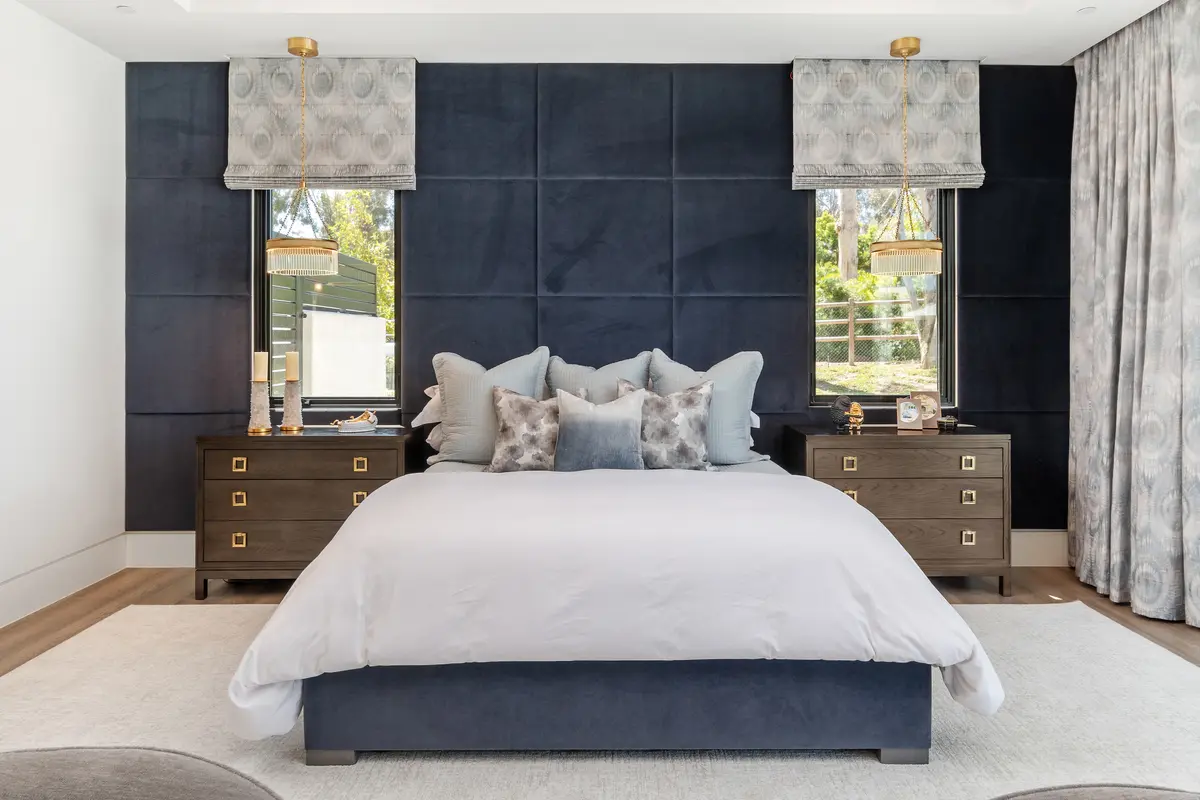
- Primary suite. Keep colors low-contrast, add drapery to improve acoustics, and ensure every touchpoint (rug underfoot, hand to headboard) feels soft. Sconce heights should align to the headboard, not a generic dimension.
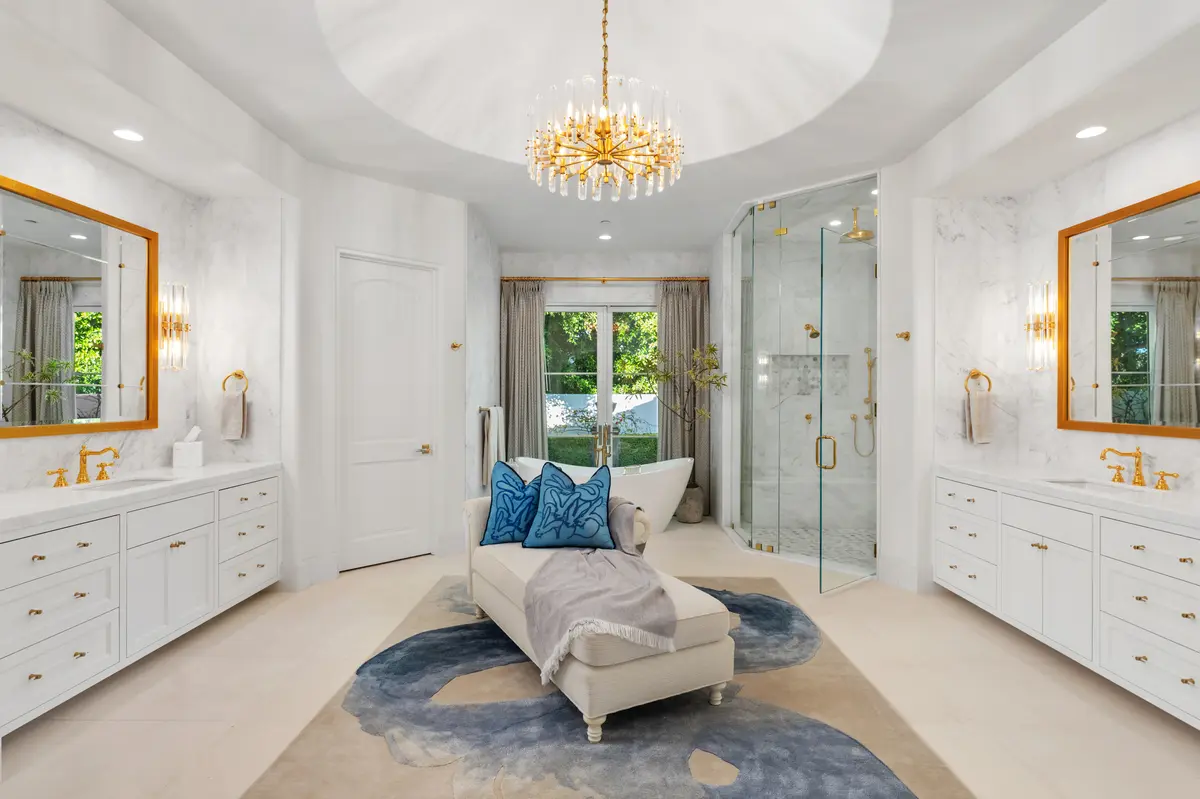
- Bath. Warmth comes from vertical face lighting, matte stone, and a wood vanity. Limit grout lines and keep storage concealed.
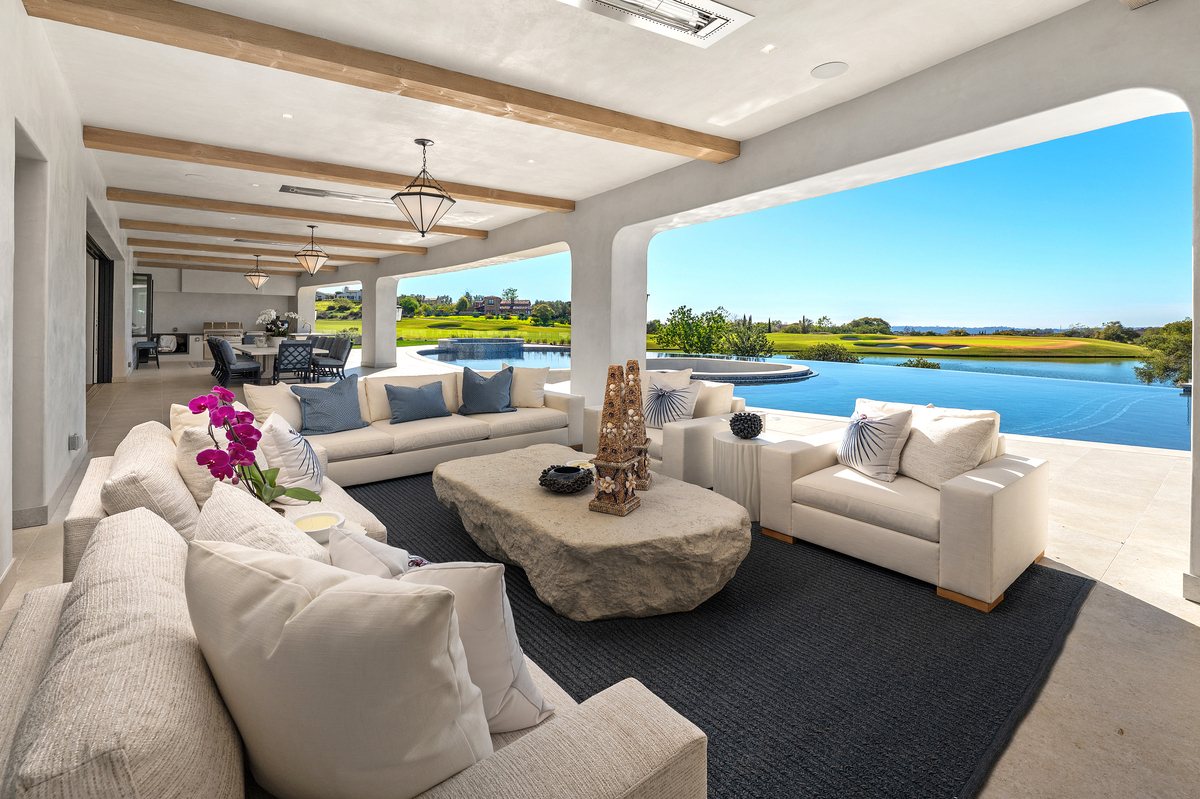
- Outdoor areas. Treat patios as rooms: large woven or teak pieces, performance textiles in muted tones, and low, glare-free lighting that respects the night sky.
These targeted choices turn principles into daily comfort.
Common Pitfalls—and How to Avoid Them in Modern Decor
A few missteps can unravel an otherwise strong modern concept:
- Too many materials. Pick a lead wood, a lead stone, and one metal family. Add one accent if needed. Stop there.
- Fixtures fighting the architecture. Align decorative lighting to ceiling details and furniture centers; modern rooms reveal misalignments immediately.
- All hard surfaces. Introduce rugs, drapery, and upholstered walls or panels where echo or glare becomes an issue.
- Grid-for-grid’s sake. Recessed lights in a perfect grid that ignores furniture will feel like an airport. Place for use, not for symmetry alone.
- Surface-mount shades as an afterthought. Plan shade pockets and drapery stack-backs early or accept visual clutter later.
- Accessories without edit. If an object doesn’t add meaning, remove it.
Restraint and coordination are the guardians of modern warmth.
Modern in Southern California: Light, Breeze, and Indoor–Outdoor Ease
In coastal and sun-forward climates, modern decor should honor the environment:
- Manage UV and heat with layered shading to protect finishes and art. Choose fabrics that filter glare while preserving views.
- Select finishes that weather well. Oiled woods, honed stones, and unlacquered metals develop patina that suits the landscape.
- Blur thresholds. Keep floor tones compatible inside and out, specify exterior fabrics with soft hand, and extend the interior palette to terraces so spaces read as one.
- Use indirect lighting to balance bright daylight, then dim warmly at night to avoid harsh transitions.
The most compelling modern homes feel at peace with their setting—quiet, breathable, and timeless.
The Quiet Confidence of Modern Home Decor
At heart, modern home decor is an editing practice. It asks what truly serves the room and the people in it, then removes the rest. Warmth arrives through materials that age gracefully, light that flatters, textiles that soften, and storage that disappears. Comfort comes from a space plan that respects human scale and daily rhythms. Character emerges from art and objects chosen with care.
Minimalism doesn’t have to mean austerity. Done well, it means clarity—and clarity is one of the most luxurious experiences a home can provide.
Interior Design Articles