The title “luxury interior designer” often gets flattened into trend talk and mood boards. In 2025, the principal designer’s real work is far more exacting—and far more valuable. A principal isn’t picking pillows after the fact; they’re authoring the project from the first client conversation to the last perfectly placed object, translating vision into drawings, specifications, logistics, and leadership that carry a home from idea to reality. This is a clear, behind-the-scenes look at what the principal actually does—step by step—so you can see how creative direction, technical rigor, and operations combine to produce white-glove results.
Setting the Vision: The Client Brief and Discovery
The project begins with a brief that’s deeper than “styles we like.” The principal leads structured conversations to define how you live: daily rhythms, entertaining style, privacy needs, storage realities, aging-in-place considerations, pets and kids, and any must-keep collections or heirlooms. From there:
- Lifestyle mapping. The principal sketches a typical weekday and weekend across the house—where coffee happens, where laptops land, where overflow guests stay—so the plan supports real life.
- Aesthetic direction. Rather than chasing micro-trends, the principal distills three or four narrative adjectives (e.g., collected, coastal, tailored, luminous) that become the creative North Star.
- Budget and calendar framing. A high-level investment range—broken into furnishings, custom cabinetry, stone/tile, lighting, window treatments, and art—keeps ambition and resources aligned. Critical lead times are flagged up front.
This discovery phase prevents future drift; it clarifies what “success” must look and feel like when the keys hand back.
Measuring What Matters: Site Study and Technical Baseline
A luxury outcome depends on facts. The principal oversees or personally verifies:
- Field measurements and photography of every space, door, window, and ceiling detail; existing MEP (mechanical, electrical, plumbing) conditions are documented.
- Envelope realities. Sun paths, views, privacy exposures, acoustic challenges, and indoor–outdoor thresholds are noted.
- Constraints. Structural beams, soffits, chase locations, or code-driven clearances that will influence cabinetry depths, lighting, and shade pockets are captured before design begins.
This baseline protects the design from wishful thinking; it ensures what’s drawn can actually be built.
Authoring the Bones: Space Planning and Plan Development
Before selecting a single fabric, the principal designs how the home works. Deliverables here are technical—and decisive:
- Furniture-scale floor plans that set clear circulation (often 42–48 in. in primary aisles), conversation groupings, dining clearances, and work nooks.
- Elevations and wall studies for built-ins, fireplace compositions, paneling, and specialty storage.
- Kitchen and bath schematics with cabinet modules, appliance sizes, ventilation needs, and ergonomic heights spelled out.
- Reflected ceiling plans (RCPs) that coordinate coffers, beams, and decorative fixture centers with the furniture grid below—no “can light” grids that ignore use.
- Lighting and power plans pairing ambient/task/accent layers with intuitive switching and keypad locations.
- Window schedules and shade pockets sized for motorized rollers and drapery stack-backs, so glass stays clear and views remain the star.
At this stage, the principal is making a thousand small decisions that save weeks later: aligning a chandelier to a table, giving a refrigerator door the swing it needs, or building ventilation into a paneled appliance wall so the facade stays pristine.
Curating the Palette: Materials, Finishes, and Fixtures
With the bones set, the principal turns to what you’ll live with day in and day out—materials chosen for performance and patina:
- Woods and stones matched to light and lifestyle (rift-cut oaks, honed or leathered stone that glows without glare).
- Metal families disciplined to one dominant finish (e.g., unlacquered brass or bronzed steel) plus a restrained accent for cohesion.
- Textiles that feel luxurious but perform—solution-dyed and high-rub counts for primary seating; natural fibers where light is gentler.
- Decorative lighting scaled to architecture and table sizes, not catalog photography; shades that dim and vanish into pockets.
The principal’s value is editorship. You won’t see 100 tile options; you’ll see the right four—each tested under your home’s actual light.
Making It Visual: Presentation, Revisions, and Cost Clarity
A hallmark of principal-led work is the clarity of presentations:
- Tactile boards with real stone, wood, and textiles under neutral, accurate lighting.
- Scaled drawings and renderings that resolve proportion and alignment questions.
- Line-item budgets and allowances aligned to actual selections—not placeholders—so you see where the money lives and why.
- Purposeful revisions. Edits address function, comfort, or cost without unraveling the design narrative; the principal protects the through-line.
At approval, specs are locked, and the project shifts from designing to producing.
From Spec to Shop: Procurement and Quality Control
This is where luxury projects soar—or stumble. A principal designer runs a procurement engine that most clients never see:
- Specification packages list every item with finishes, dimensions, COM/COL fabrics, hardware, and installation notes.
- Shop drawing reviews for custom cabinetry, upholstery frames, stone edges, metalwork, and built-ins—red-lined by the principal to ensure craft matches concept.
- Purchase orders and schedules that track long-lead items, freight windows, and sequencing (tile before cabinetry, cabinetry before counters, lighting before drapery hardware).
- Receiving warehouse: every piece is photographed on arrival, inspected for finish and dimensions, and re-crated; deficiencies are handled before install week, not on your living room floor.
- Finish samples and approvals: stained panels, metal coupons, and seam diagrams are signed off, creating a paper trail that protects quality.
Procurement is logistics plus taste. The principal’s oversight here is how a beautiful idea becomes a flawless delivery.
Leading the Team: Architect, Builder, and Trades
On complex builds and renovations, the principal functions as a creative general:
- OAC meetings (Owner–Architect–Contractor) where alignment is maintained, RFIs are answered, and field realities are folded into the design without losing the thread.
- Site walks at framing, rough-in, and pre-finish to verify blocking for drapery hardware, junction boxes for sconces and art, and clearances for cabinetry and doors.
- Mockups in situ: a stone edge profile, a plaster sample, or a lighting graze angle is tested at full size; the principal signs off with the trades in real light.
- Problem-solving when old houses reveal surprises. The principal adjusts details to keep the look intact and the schedule moving.
Leadership means fewer change orders, calmer construction, and a finished home that matches the drawings because the drawings were buildable.
Lighting and Shades: The Quiet Technology of Ease
In 2025, the principal’s remit includes light behavior, not just fixtures:
- Layered plans that place for use: ambient glow from concealed sources, task at reading and work surfaces, and accent to graze stone or paneling.
- Keypad scenes labeled in everyday language—Morning, Afternoon, Evening, Entertain, All Off—so the house shifts with a touch rather than a maze of switches.
- Shade integration: header pockets and side channels for motorized rollers, plus interlined drapery to soften acoustics and protect textiles and art from UV.
The test of a principal’s lighting plan is simple: at noon, the room feels balanced; at dusk, it feels magical—without anyone noticing why.
Installation Week: Orchestration, Not Chaos
White-glove installation is a choreographed event:
- Pre-stage at the warehouse ensures pieces are assembled and felt-padded; rugs are unrolled to relax creases.
- On-site sequencing: rugs down first, large case goods placed, art and mirrors professionally hung, window treatments installed and dressed, lighting focused and scenes programmed.
- Principal-level styling: books, ceramics, florals, trays, and the “human layer” are edited with restraint so the home reads lived-in, not staged.
A good install feels quiet, efficient, inevitable. That’s the signal the principal planned for it months ago.
Handover: Documentation and Care
Luxury service doesn’t end with photographs. The principal provides a clear handover:
- Illustrated maintenance guide listing finishes, cleaners, sealing intervals, and care routines.
- Lighting and shade schedules with scene labels and quick-start notes for guests or house managers.
- As-built drawings and spec binders for future maintenance or additions.
- Deficiency list and close-out to remedy any punch items promptly.
The aim is longevity—spaces that look as considered in five years as they do on day one.
A Day in the Life (2025 Edition): What the Principal Actually Touches
If you shadowed a principal for a day, you’d see a rapid alternation between creative and operational decisions:
- Approving a custom sofa profile and signing the spring-down cushion spec.
- Red-lining a cabinet shop drawing so a panel-ready refrigerator clears its hinge swing and still aligns with adjacent stile reveals.
- Choosing between two unlacquered brass finishes—one too green in morning light—so hardware marries with a honed stone hearth.
- Re-aiming art lights by two degrees to avoid glare on glazing.
- Re-sequencing deliveries when a slab quarry pushes a ship date, protecting the install.
- Walking a site to confirm shade pockets were framed to the exact depth so rollers disappear completely.
- Editing a styling cart from 30 objects to 8 so the room breathes.
This is not “decorating.” It’s design leadership expressed in thousands of precise actions.
How the Principal Protects Value
Luxury outcomes are beautiful; they’re also practical. A principal designer safeguards your investment by:
- Preventing rework with correct drawings early (no field improvisation, fewer change orders).
- Specifying materials that age well and can be renewed (oiled woods, honed stones, living metals where appropriate).
- Coordinating logistics so long-lead items and site readiness mesh; trades aren’t idle, and nothing arrives before the room can accept it.
- Editing to a disciplined palette so each purchase multiplies impact rather than adding noise.
The “why” of every decision is simple: daily comfort, long life, and cohesion that reads as true luxury.
What Changes in 2025—and What Doesn’t
Some methods evolve; core principles don’t.
- Smarter controls, simpler interfaces. Under the hood, systems are more capable; at the wall, the principal insists on fewer buttons with human-language scenes.
- More performance, same hand. Mills continue to close the gap between performance textiles and natural feel—principals deploy them on primary seating and keep true linen or wool for pillows and lighter-duty areas.
- Documentation gets richer. Clients expect (and principals deliver) better visualization, more precise shop sets, and clearer handover packages.
What doesn’t change is the principal’s role as guardian of the vision—balancing beauty with buildability, comfort with craft, and ambition with time.
The Quiet Signature of Principal-Led Work
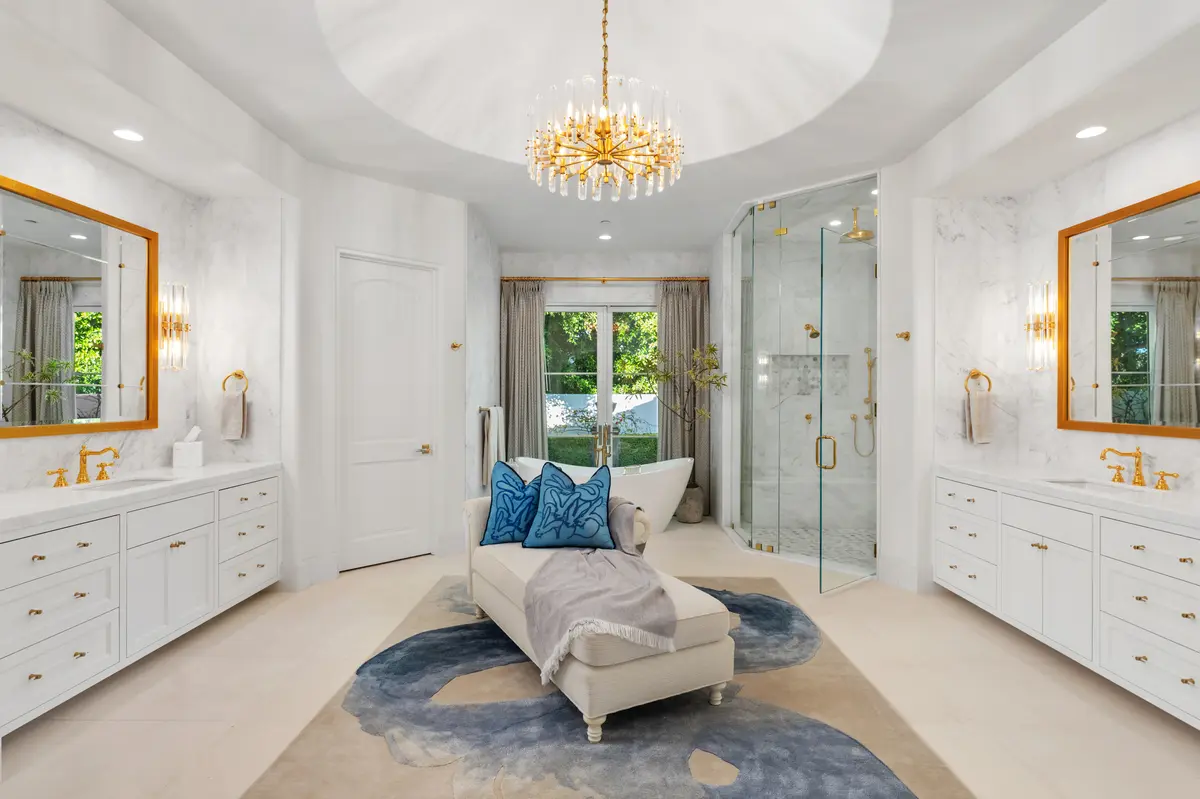
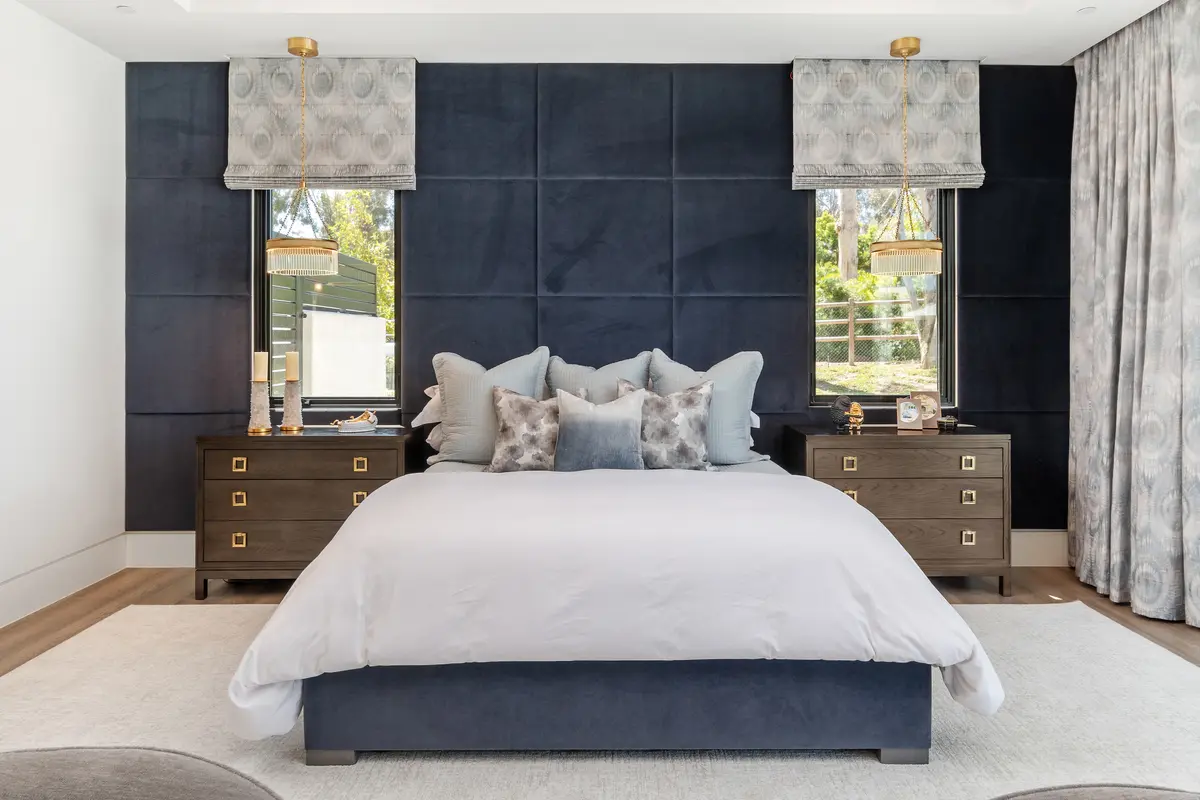
If you’ve ever walked into a finished home and felt a sense of calm inevitability—as if every piece landed exactly where it belonged—that’s the principal’s hand. It’s in the alignment of a chandelier to a table and ceiling coffer; in a media wall that disappears, quietly ventilated; in shade pockets that keep glass pristine; in a sofa that supports real lounging and still looks tailored; in a palette that invites touch and grows more compelling with time.
A luxury interior designer 2025 is equal parts editor, architect of experience, and operations chief. They listen deeply, draw precisely, specify wisely, coordinate relentlessly, and style sparingly—so the home you imagined becomes the home you inhabit, beautifully and without friction. That is the work behind “luxury”—and why it endures.
Interior Design Articles