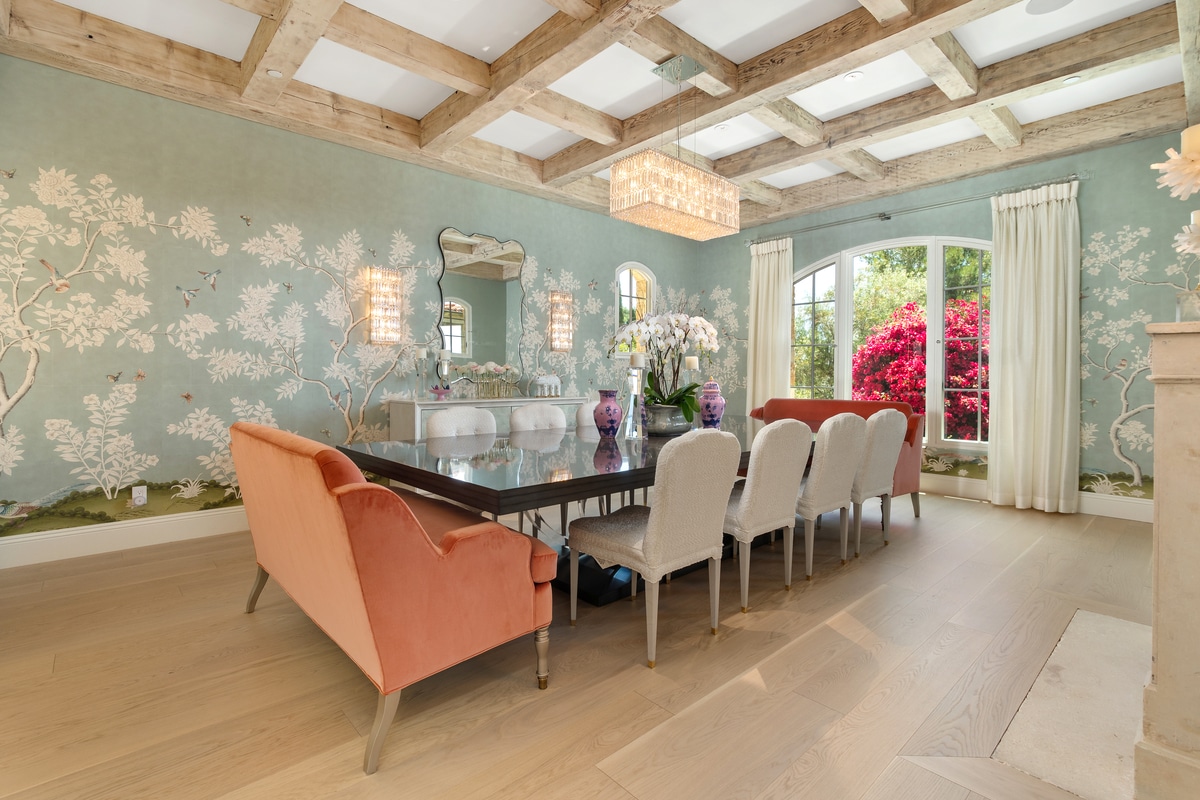
Sunlit rooms deserve fabrics and finishes that love the light as much as you do. Among today’s living room design trends, the most influential isn’t a color or a sofa silhouette—it’s a shift toward performance textiles and UV-smart materials that stand up to bright exposures, salt air, and indoor–outdoor living common in coastal homes. The result is quiet luxury that you can actually live with: sofas that shrug off red wine, rugs that keep their hand in strong sun, metals that patinate gracefully, and stones that glow without glare.
A living room is the home’s public square. It hosts breezy mornings, weekend movies, and evening drinks with friends. In coastal Southern California, it also negotiates long daylight hours, reflections on glass, and the occasional sandy footpath from the terrace. This guide translates what designers know about sun, textiles, stone, wood, and metals into practical, buildable choices—so your living room looks refined on install day and even better years later.
Why materials matter more than ever
Minimalist rooms, glassy elevations, and indoor–outdoor plans put materials in the spotlight. Under strong coastal light, a fabric’s weave, a stone’s finish, or a metal’s coating determines whether a room feels calm and enduring or fragile and fussy. The current trend is not toward delicate showpieces but toward high-touch performance:
- Performance fabrics imitate the look and feel of natural fibers while resisting stains and UV fade.
- Honed and textured stones diffuse glare and wear in beautifully.
- Living metals develop patina that complements sun and sea air.
- Engineered wood finishes and oiled floors allow renewal rather than replacement.
- Window treatments move from decoration to light-management tools, protecting everything else.
In short, the smartest trend is the one you don’t notice—because it simply works.
Performance textiles that still feel luxurious
The stereotype that performance equals “plastic” is firmly out of date. Today’s mills spin yarns that look and feel like linen, bouclé, wool, and velvet while delivering everyday resilience.
- Sofas & sectionals. Choose solution-dyed performance fabrics for the main seating: linen-look weaves, tight bouclé, or softly brushed chenille. Prioritize rub count, pilling resistance, and cleanability without sacrificing hand. For a truly lounge-ready sit, specify down-blend or spring-down cushions and let the fabric do the hardworking part.
- Accent chairs. A pair of wrapped barrel or sling chairs in a performance velvet adds depth without fear of sunburst fade. Look for velvets with a subtle sheen that reads rich in evening light and calm by day.
- Pillows & throws. Mix a few natural fibers (real linen or wool) with performance pillows; rotate or move the naturals away from direct sun. The visual blend looks collected, not uniform.
- Banquettes & benches. Use coated performance leathers or high-tech faux leathers with micro-textures; both repel spills and wipe clean after beach days.
Pro tip: Order oversized swatches and tape them near your brightest window for a week. Fabrics that pass the sun test there will hold up everywhere else.
Rugs that add warmth—and survive sunlight
Rugs shape acoustics and comfort, but harsh sun can drain color and dry fibers if you choose poorly.
- Hand-knotted wool remains the gold standard: resilient, naturally stain-resistant, and beautiful underfoot. Look for tight, low piles and vegetal dyes with nuanced color that ages gracefully.
- Wool-silk or wool-viscose blends add glow but can be sensitive to moisture and UV; use them in lower-exposure zones or choose modern performance “silk” fibers engineered for light stability.
- Indoor–outdoor flatweaves have elevated dramatically. On decks or in sun-drenched great rooms, a high-quality solution-dyed flatweave delivers crisp texture and easy cleaning while still feeling refined.
Sizing still rules the room: err larger so the front legs of seating rest on the rug (often more). Big volumes demand generous grounding to feel intentional, not floating.
Stone finishes that glow without glare
Shiny stone looks glamorous in a showroom—but under coastal sun it can glare and show every footprint. The quiet trend is honed or leathered surfaces that diffuse light and embrace patina.
- Fireplace surrounds & benches. Honed limestone, travertine, or marble with subtle movement reads soft and architectural. A leathered finish on darker stones masks smudges and gives tactile depth.
- Tables & plinths. If you love dramatic veining, use it on a coffee table plinth or console top where touch, not lemon juice, is the main encounter. For high-traffic surfaces, consider dense quartzites with a honed finish.
- Window sills & ledges. Stone at the glass line gets the most UV; honed finishes paired with UV-filtering film or smart shading keep edges from bleaching unevenly.
Detail to specify: softened or eased edges hold up better than razor-sharp miters in family spaces and keep the look elevated without feeling precious.
Wood tones, oiled finishes, and the art of patina
Wood brings warmth and human scale to glassy rooms. The best trend is choosing species and finishes that accept sunlight and life.
- Rift or quarter-sawn oak is stable, with a linear grain that complements modern lines and hides small wear.
- Oiled or hardwax finishes allow spot repair and a natural, matte glow under strong light. They don’t telegraph scratches like high-gloss poly and can be renewed over time.
- Walnut accents—shelving, a floating console, or a framed niche—add depth; keep stain values compatible so pieces feel part of one family.
- Casework that breathes. If a media wall conceals components, include venting and low-heat LED lighting; heat plus sun is hard on finishes and electronics.
Unify the story: repeat one primary wood across floor and major built-ins, then use value shifts (light to mid) rather than a mix of unrelated species.
Metals that thrive by the sea
Sun and salt air test every finish. Designers are leaning into living metals indoors and resilient coatings outdoors.
- Unlacquered brass or bronze (interior). Expect a warm patina that pairs beautifully with honed stone and plaster. Use on lamps, cabinet hardware, and picture lights for a collected feel.
- Blackened steel. Great for hearth surrounds, low-profile shelves, and frames. Seal with microcrystalline wax or clear matte lacquer and embrace the subtle wear.
- Stainless & powder-coated aluminum (exterior). For terrace furniture and door hardware, these resist corrosion and UV better than most plated finishes.
Limiting the palette to one dominant metal family plus a restrained accent keeps bright rooms visually calm.
Window treatments as material guardians
In coastal living rooms, shades and drapery are more than decoration; they’re sun-management tools that protect every surface you’ve specified.
- Motorized roller shades in header pockets disappear when raised and tame glare when lowered. Pair light-filtering fabrics for day with blackout in media zones—even a living room may double as a screening space.
- Tailored drapery brings acoustical softness and visual warmth. Choose simple headings (two- or three-finger pinch, ripplefold), interline to improve hang, and train panels to fall in calm columns.
- Stack-backs should be calculated so panels clear glass and maintain view corridors. Coordinate with ceiling details and lighting to avoid later conflicts.
One control, one habit: Put shades on the same keypad as lighting scenes—Morning, Afternoon, Evening—so daily use is effortless.
Hidden tech and UV defense for art and books
The living room’s human layer—art, books, textiles—is also the most vulnerable to UV.
- UV-filtering films on high-exposure panes cut harmful rays while keeping color-neutral views.
- Picture lights and art glass should be specified with UV-conscious LEDs and non-glare glazing where appropriate.
- Shelving strategy. Keep truly delicate spines or dyes away from direct sun paths; rotate collections seasonally or use doors on the highest-exposure bays.
These quiet moves extend the life of the things that make your room yours.
Living room color—neutrals with one confident move
Coastal light rewards earth-based neutrals that stay flattering from morning to dusk: warm whites, sand, putty, clay, quiet greens. The current high-end trend is to build depth with tone-on-tone and then add one saturated note:
- A pair of deep green lounge chairs,
- An indigo rug with abrash variation, or
- A rust leather bench that anchors the view wall.
Color should support materials, not fight them. Align paint undertones with your primary wood and stone so everything hums under shifting light.
Media walls and the case for disappearing technology
Another trend in well-lit coastal living rooms: media that vanishes when the sun or the view is the star.
- Paneling and sliding screens conceal the TV without creating a permanent dark rectangle.
- Vented appliance/media walls keep components cool and quiet; specify shadow reveals or micro-vents in toe kicks for makeup air.
- Inside-cabinet lighting provides a soft evening glow when the doors are open, then disappears when closed.
The living room reclaims its daytime serenity; the technology returns only when you want it.
Room composition: proportion over quantity
In bright volumes, fewer pieces—perfectly scaled and well made—look luxurious and live better.
- Sofas with generous seat depth (often 38–42 inches for lounging) in a textured performance fabric carry the zone.
- One sculptural coffee table in stone or ebonized wood grounds the composition.
- Curved accent chairs soften rectilinear architecture and invite conversation.
- Large, hand-knotted rug reduces echo and visually unites the group.
Edit accessories to a few objects with presence—a single ceramic, a vessel, a branch—and light them well. Calm rooms photograph beautifully because they’re already balanced in real life.
Common pitfalls—and elegant alternatives
- Glossy stone under skylights. Swap for honed or leathered to reduce glare and fingerprints.
- All-natural fabrics on primary seating. Mix performance look-alikes where UV and snacks collide; save true linens for pillows you can rotate.
- Too many metals. Choose one family (brass/bronze or nickel/steel) and repeat it for cohesion.
- Surface-mount shades added late. Plan header pockets and side channels early, or you’ll accept fascia clutter.
- Undersized rugs. Size up so seating lands on the rug; the room will feel settled, not scattered.
- Ignoring venting in media walls. Electronics plus sun equals heat; design vent paths into the cabinetry from the start.
A buildable materials checklist for coastal living rooms
- Textiles: solution-dyed performance fabrics for primary seating; test swatches in sun; mix with select natural fibers away from windows.
- Rugs: hand-knotted wool or performance flatweaves; size to anchor all seating.
- Stone: honed or leathered finishes; eased edges; use quartzite or similarly durable stones on hard-use surfaces.
- Wood: rift/quarter-sawn oak floors with oil or hardwax; unify species across built-ins; ventilate media cabinetry.
- Metals: unlacquered brass/bronze indoors, stainless/powder coat outdoors; keep to one main family.
- Window treatments: motorized rollers in pockets; interlined drapery; coordinated keypad scenes.
- UV management: selective films at high-exposure glass; art lighting with UV-smart LEDs; storage strategy for delicate books.
- Documentation: elevations for built-ins with venting, lighting locations to graze stone/plaster, and shade pocket details before framing closes.
The quiet luxury of materials that age well
Among contemporary living room design trends, the most enduring is a mindset: choose materials that get better with time. Performance textiles that keep their hand after sunny seasons. Stones that glow softly rather than blind. Woods you can renew, not replace. Metals that accept the coastal air and deepen in character. Shades and drapery that protect the whole story without stealing the view.
Do that, and your living room won’t just look current—it will feel effortless every day, from morning glare to golden hour to the hush of evening. In the long life of a home, that’s the trend that matters most.
Interior Design Articles