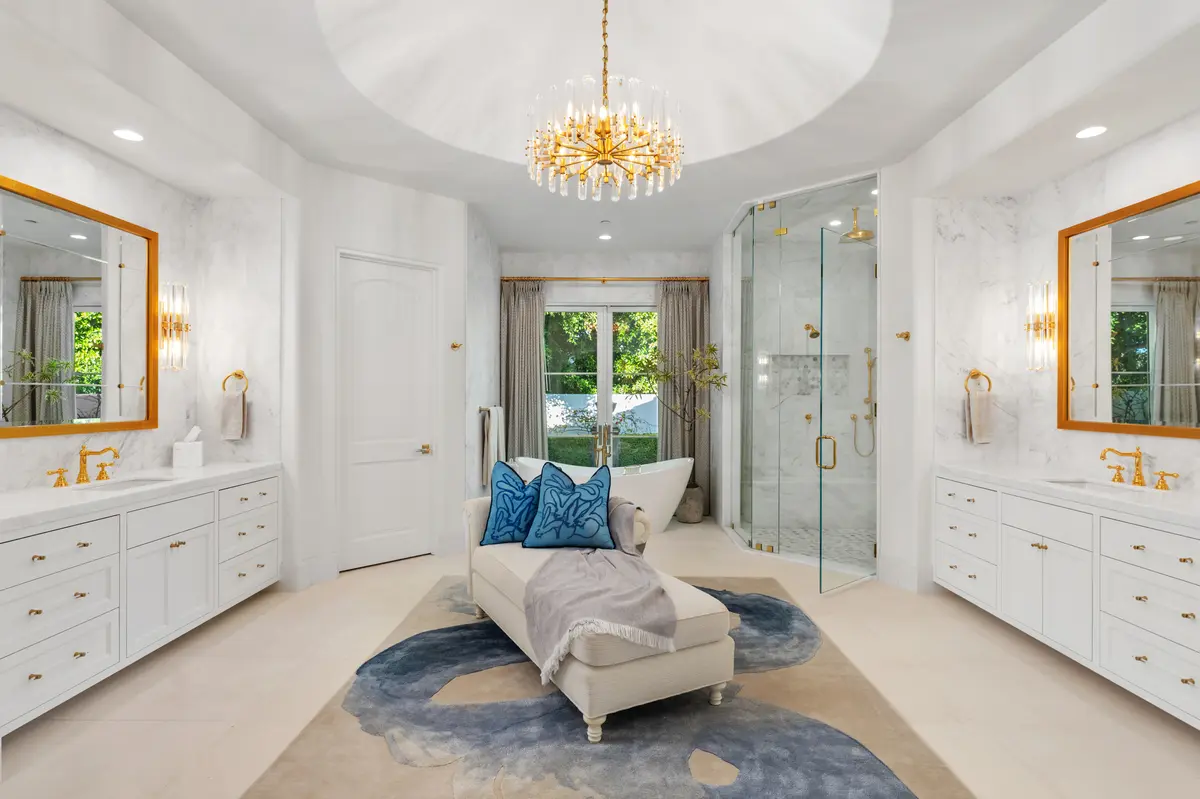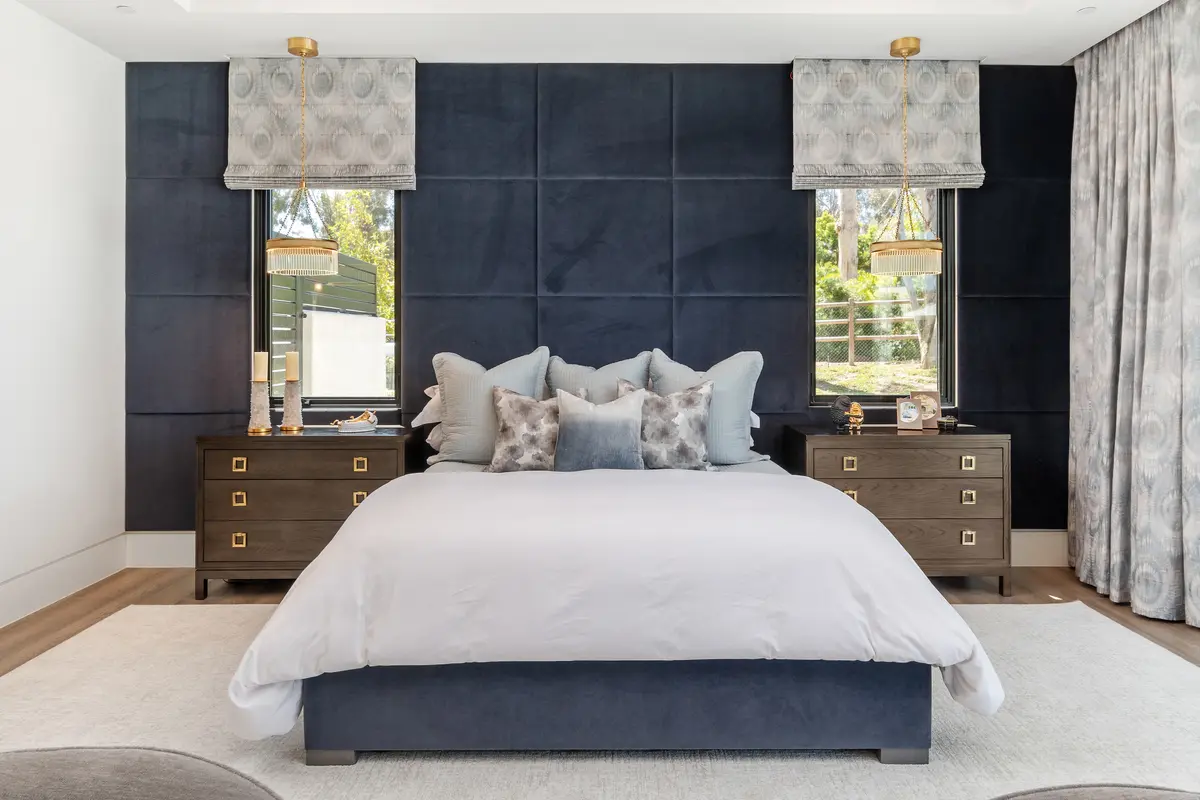
If 2024 was the year of quiet luxury, 2025 pushes living rooms toward edited warmth, natural texture, and intelligent simplicity. The most compelling living room design trends 2025 aren’t about buying more—they’re about choosing better: materials that age beautifully, lighting that adapts to the moment, seating that fits how you actually lounge, and window treatments that shape daylight as elegantly as any chandelier. Below is a designer’s guide to what’s next—and how to make it livable.
Edited Warmth: Fewer Pieces, Better Proportion
The quickest way to make a living room feel elevated this year is to reduce the count and increase the quality. Overscaled sofas in tactile weaves, a single sculptural coffee table, two accent chairs with curvature, and an artful floor lamp can do more than a field of “almosts.”
- Commit to a hero sofa with real comfort—38–42 inches of seat depth for lounging, spring-down cushions, and a textured performance fabric that reads soft rather than shiny.
- Choose one statement table—honed stone, ebonized wood, or plaster—so the silhouette is simple and the material takes center stage.
- Let negative space do some of the decorating. Clear floor around key pieces makes rooms feel bigger, calmer, and more intentional.
Why it works: Edited rooms look timeless in photos and feel restful in daily life. The investment shifts from “more décor” to proportion, craft, and touch.
Textural Neutrals—with One Confident Note
Neutrals aren’t going anywhere, but 2025 favors earth-derived palettes—warm whites, sand, putty, clay, and quiet greens—layered in multiple values for depth. Instead of busy pattern, add one saturated note.
- Build a tone-on-tone base across walls, upholstery, and rugs to keep light soft.
- Introduce a single confident color—deep green lounge chairs, indigo rug, or rust leather bench—to anchor the composition.
- Mind undertones: warm oaks want warm paints; cool greys can feel sterile in sunlit rooms.
Why it works: A disciplined palette keeps focus on architecture, materials, and art while feeling cozy—not flat.
Performance Textiles that Feel Like Luxury
The best living rooms now mix performance fabrics (for sofas and chairs) with select natural fibers (for pillows and throws). The tactile shift is toward linen-look weaves, tight bouclé, and soft chenille that resist stains and UV without looking “technical.”
- On primary seating, select solution-dyed textiles with strong rub counts and pilling resistance; keep the hand matte and dry, not slick.
- For accent chairs, performance velvet gives depth without the sun-fade penalty of traditional velvets.
- Mix in real linen or wool on pillows, then rotate those away from the brightest windows seasonally.
Why it works: You get everyday resilience with touchability, so the room stays fresh after parties, pets, and sunny seasons.
Honed, Not Glossy: Stone that Glows Softly
Glare is out; diffused light is in. Coffee tables, hearths, and ledges lean into honed or leathered stone—limestone, travertine, subtly veined marble, or dense quartzite.
- Choose eased edges over razor miters—still crisp, but kinder to hands and better long-term.
- Use dramatic veining where hands don’t mix with lemons and drinks (console tops, plinths); keep workhorse surfaces in harder, honed stones.
Why it works: Honed finishes photograph beautifully and age gracefully, avoiding the fingerprint-and-glare cycle of high gloss.
Layered Lighting You Don’t Notice—Until You Need It
In 2025, lighting is less about fixtures and more about how light behaves. Successful rooms use three quiet layers: ambient, task, and accent, tuned by simple scenes.
- Ambient: concealed coves or well-placed recessed fixtures with regressed trims for comfort—no airport grids.
- Task: reading lamps at seating, vertical sconces where people check a mirror, and subtle downlights for games or puzzles.
- Accent: adjustable heads to graze plaster or stone, micro-LEDs in shelves, and discreet picture lights for art.
- Control: swap switch jungles for labeled keypads—Morning, Afternoon, Evening, Entertain, All Off—so the room shifts with one touch.
Why it works: Lighting supports mood without visual clutter; the space feels calm at noon and cinematic at dusk.
Window Treatments as Light Instruments
Treat shades and drapery as part of the lighting plan, not afterthoughts.
- Motorized rollers in header pockets vanish when raised and tame glare when lowered; pair light-filtering for day with blackout where you watch films.
- Interlined drapery adds acoustics and softness; choose tailored headings (ripplefold or pinch pleat) and train the panels for elegant columns.
- Calculate stack-backs in the drawings so fabric clears glass and preserves views.
Why it works: Daylight becomes adjustable, protecting art, rugs, and wood while keeping the room comfortable all year.
Curves, Soft Geometry, and Human Scale
After years of rectilinear everything, 2025 keeps architecture clean but softens silhouettes:
- Barrel or sling chairs add curve and invitation to otherwise straight-lined rooms.
- Radius corners on tables and consoles introduce touch-friendly edges.
- Pillow profiles go tailored and under-stuffed (no karate-chopped peaks), echoing the calm of the room.
Why it works: Gentle shapes make rooms feel approachable without giving up polish.
Hidden Tech, Disappearing Media
Screens aren’t the star; composition is. Media walls are designed to vanish:
- Paneling or pocketing doors conceal TVs when not in use.
- Vented cabinetry keeps components cool and quiet; add shadow reveals at toe kicks for intake.
- Inside-cabinet LEDs provide a soft glow when open, disappear when closed.
Why it works: Daytime serenity returns; evening function remains. The living room stops orbiting a black rectangle.
Biophilic Texture (Without Theme Décor)
Rather than literal beach or forest motifs, 2025 brings nature in through materials and tactility:
- Plaster or mineral paint walls with hand movement that play beautifully with light.
- Solid woods with visible grain—rift-cut oak, ash, walnut—in low sheen.
- Sculptural greenery (one statement tree in a generous pot) instead of many small plants.
Why it works: The room feels alive and breathable without leaning on clichés.
Acoustics: The Invisible Comfort
Echo is the enemy of ease, especially in open plans. The fix is layered and elegant:
- A hand-knotted wool rug sized to catch all front legs (often more).
- Interlined drapery and upholstered seating with textured weaves.
- Books or textured panels strategically placed on one wall—not as decoration, but as performance.
Why it works: Conversations feel intimate; music sounds better; the room reads luxurious because it sounds luxurious.
Sustainable Longevity Over Fast Swaps
True luxury in 2025 is repairable and refinishable:
- Oiled woods you can renew with a maintenance coat.
- Bench-made upholstery with zip-off cushion covers and frames designed for future reupholstery.
- Materials with published care routines so pieces look better each year rather than getting replaced.
Why it works: It’s better for the planet and your long-term budget—and it looks richer than trend churn.
Art, Books, and the Human Layer—Curated, Not Sprinkled
The most personal rooms show restraint:
- Choose fewer, larger artworks and light them thoughtfully.
- Give objects space: a single ceramic on a console, a vessel with branches, a low run of books.
- Edit quarterly; if a piece doesn’t add meaning or comfort, let it go.
Why it works: Personality reads clearly when noise is removed.
Room-by-Room Moves That Feel Instantly 2025
- Sofa upgrade: deep, tactile, performance fabric; slim arm; generous length.
- Rug correction: size up to ground the zone; low, dense pile in wool for longevity.
- Table swap: one sculptural coffee table in honed stone or ebonized wood.
- Lighting tune: add a reading lamp, dim ambient down, graze one textured wall.
- Window rethink: integrate a motorized light-filtering roller with tailored side panels.
- Media calm: conceal the TV or at least surround it with proportional paneling so it belongs.
Why it works: Small, focused changes move a room from “updated” to beautifully current.
What to Avoid in 2025 (and What to Do Instead)
- Over-gridding recessed lights → Place for use, not symmetry.
- High-gloss everywhere → Honed/leathered stone and matte woods.
- Metal mashups → One dominant metal family plus a single accent.
- Pattern-on-pattern → Texture-on-texture with one confident color.
- Pile-on accessories → Edit to a few meaningful objects and light them well.
- Surface-mount shades added late → Plan header pockets early for a clean finish.
The 2025 Living Room, in One Line
Calm doesn’t mean plain, and luxury doesn’t mean fragile. The best living room design trends 2025 deliver edited warmth, tactile materials, intelligent light, and hidden tech—rooms that feel effortless in the morning, intimate at night, and personal every day in between.
Interior Design Articles