Southern California light is its own design material—bright, changeable, and ever-present. The best interior design ideas for coastal homes embrace that light, protect against UV and salt air, and connect rooms to outdoor living without sacrificing comfort. Instead of relying on clichés, a luxury approach uses space planning, tactile materials, layered lighting, custom cabinetry, and integrated window treatments to create interiors that feel calm, durable, and deeply livable.
A coastal home has to do many things at once: frame ocean or canyon views, manage glare throughout the day, invite breezes while protecting finishes, and shift easily from everyday living to entertaining. The following ideas translate those requirements into specific, buildable moves a professional studio would coordinate from concept through installation.
Shape the Plan Around Light and Views
In homes with abundant glazing, the plan—not the palette—determines whether spaces feel effortless.
- Anchor zones to sightlines. Place the primary seating group to capture the best view without fighting TV placement or fireplace composition. Often that means floating the sofa and using a slim console or low cabinet to manage cords and storage.
- Reserve pathways to glass. Keep at least 36–42 inches of clear circulation to doors and sliders so indoor–outdoor flow feels natural. Dining chairs need 24 inches to pull back comfortably; islands need 42–48 inches for working aisles.
- Balance open and enclosed. A scullery or concealed pantry behind the kitchen keeps open shelves serene. Similarly, a pocket office near the great room absorbs mail, laptops, and devices—protecting visual calm.
- Use negative space intentionally. Leave purposeful breathing room around the hero moments—hearth, art wall, or view—so the eye can rest. Fewer pieces, perfectly scaled, make the architecture feel intentional rather than sparse.
A furniture-first plan becomes the roadmap for every other decision: lighting, drapery stack-backs, custom cabinetry depths, and power locations.
Choose Materials That Love Sun and Salt Air
Coastal environments reward finishes that age gracefully and are easy to maintain.
- Wood with warmth and resilience. Rift-cut white oak, ash, or walnut in matte/oil finishes provides grain without glare and hides small wear better than high-gloss. Use it for floors, millwork, and key furniture pieces.
- Honed stone and textured tile. Limestone, travertine, and marbles with quiet veining reduce reflections and feel soft underfoot. In baths and entries, choose slip-resistant textures; in kitchens, specify durable sealers and consider leathered finishes that disguise etching.
- Performance textiles with hand. Linen blends, wool, bouclé, and advanced outdoor-rated fabrics bring tactile depth while resisting UV and stains—ideal for sun-exposed rooms and indoor–outdoor cushions.
- Soft, living metals. Unlacquered brass and bronze develop patina that suits sea air; stainless or powder-coated hardware fares well outdoors. Keep metal families consistent across rooms for visual cohesion.
- Plaster and mineral paints. Subtle, hand-troweled movement prevents large walls from feeling flat in bright light and helps bridge interior spaces to stuccoed exteriors.
Limit the total material vocabulary. A disciplined mix—one lead wood, one primary stone, one metal family, and a tight textile palette—reads elevated and calm.
Layer Lighting for Sun-Drenched Rooms
Daylight is beautiful but demanding. A lighting plan tailored to SoCal conditions balances glare control, evening warmth, and artful highlights.
- Ambient that never competes with the view. Use concealed coves, linear LEDs in millwork, and recessed fixtures with regression to wash surfaces softly. Avoid grids that create hotspots on shiny floors or glass.
- Task light exactly where life happens. Aim adjustable downlights to islands and counters; place reading lamps at seating; use vertical sconces at vanities for flattering light.
- Accent for depth at dusk. Graze plaster, stone, or paneled walls with narrow-beam downlights; integrate micro-LEDs in shelves or stair treads for a quiet evening presence.
- Scene control with minimal wall clutter. Replace multi-gang switches with labeled keypads—Morning, Afternoon, Evening, Entertain, All Off—so lighting adapts to changing coastal light without visual noise.
Color temperature matters as daylight fades. A 2700–3000K interior palette keeps evenings warm and materials rich, while maintaining enough crispness in kitchens and work zones.
Integrate Shades and Drapery as Part of the Architecture
In coastal homes, glare management is as essential as good lighting.
- Motorized roller shades in header pockets disappear when open, preserve views during the day with light-filtering fabrics, and provide blackout in bedrooms and media spaces at night.
- Tailored drapery adds acoustic softness and insulation. Choose simple headings and interlining for elegant fall; calculate stack-backs so panels clear glass and protect view corridors.
- Coordinate with orientation. East rooms need gentle morning control; west-facing spaces require stronger afternoon glare and heat management. Layer sheer and opaque options to respond to the sun’s path.
- Unify controls. Put shade control on the same keypads as lighting scenes so daily transitions are intuitive.
Thoughtful shading protects art, rugs, and wood while turning bright rooms into cinematic spaces at dusk.
Use Custom Cabinetry to Calm Clutter and Celebrate Craft
Coastal living comes with gear—outdoor cushions, beach bags, entertaining supplies. Bespoke cabinetry makes minimalism livable.
- Media walls that disappear. Paneling, sliding screens, or pocketing doors can conceal TVs and speakers so evening ambience doesn’t fight black rectangles during the day.
- Scullery and working pantry. Tuck appliances, secondary sinks, and storage out of sight to keep the main kitchen serene for gatherings.
- Mudroom and entry strategy. Built-in benches with concealed shoe drawers, tall cabinets for totes, and charging drawers prevent “drift” into living areas.
- Primary suite storage. Fitted wardrobes and dressers tailored to your inventory maintain the bedroom’s restful simplicity.
Specify soft-close hardware, durable finishes, integrated lighting, and ventilation where needed. When storage works, surfaces stay clear—an essential condition for coastal calm.
Edit the Palette: Neutrals with One Confident Move
Coastal color stories are often earthy neutrals—warm whites, sand, stone, clay—punctuated by a single, disciplined accent.
- Tone-on-tone layering. Use three or four values of a hue across walls, upholstery, and rugs to create depth without busy pattern.
- One saturated note. Deep green lounge chairs, an indigo rug, or a rust leather bench can carry an entire level when everything else remains quiet.
- Mind undertones. Pair warm paints with warm oaks; cool greys can feel sterile beside sunlit, honey-toned woods.
This controlled palette lets views and materials do the talking—the ocean, the canyon, the garden—while interiors feel collected and intentional.
Furnish for Comfort, Scale, and Indoor–Outdoor Continuity
Furniture has to look right in bright light and work hard for daily life.
- Anchor sofas for lounging. Choose seat depths that fit the way you live (often 38–42 inches for relaxed seating), spring-down cushions for comfort, and performance textiles in tactile weaves.
- Tables with material honesty. A honed stone coffee table or ebonized wood plinth reads sculptural and durable. Keep silhouettes simple; let proportion carry the room.
- Chairs with curvature. Wrap-arm or sling profiles soften rectilinear architecture and make conversation areas feel welcoming.
- Rugs that quiet and define. Hand-knotted wool or wool-silk blends minimize echo and frame zones. Size up so rugs sit well under front legs (often more) for cohesion.
- Outdoor echoes indoor. Choose exterior pieces with similar scale and palette so patios feel like natural extensions. Advanced outdoor textiles and teak or powder-coated frames deliver comfort and longevity.
A small number of perfectly scaled pieces beats a room full of almosts. Comfort is the luxury you feel every day.
Celebrate Texture, Art, and the Human Layer
Coastal homes come alive through texture and meaning, not theme décor.
- Large, simple artworks feel calmer than many small pieces. Align to architectural axes or furniture centers and light them with intention.
- Books and vessels as story. A run of books on a low shelf, a single hand-thrown ceramic on a console—give objects space to breathe.
- Plants as sculpture. One well-placed tree in a generous pot can anchor a room and mirror outdoor greenery without cluttering sightlines.
Edit relentlessly. If a piece doesn’t add comfort, function, or meaning, it doesn’t earn the square footage.
Room-by-Room Interior Design Ideas for Coastal Living
- Great room. Float the seating to maintain views and circulation; pair concealed ambient light with lamps at eye level. Repeat one hero material (stone or wood) across fireplace, shelves, and tables for cohesion.
- Kitchen. Integrate appliances behind panels, keep finishes to two or three, and use task-first lighting so evenings glow, not glare. Add a scullery to hide the work of entertaining.
- Dining. Overscale the table for generous clearance; select upholstered chairs in performance fabric; hang a single chandelier aligned to table and ceiling axes.
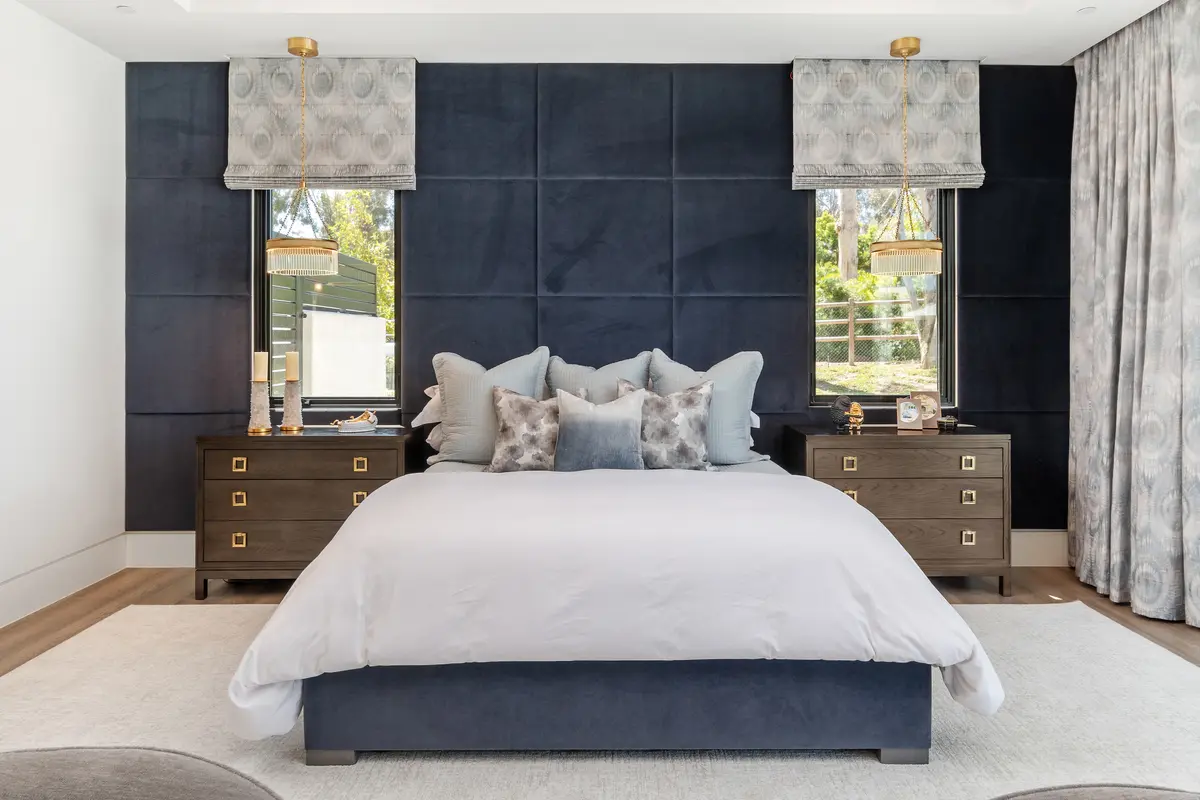
- Primary suite. Tone down contrast, add drapery for acoustics, and coordinate bedside sconces with headboard height. Program a single “Evening” scene that softens all layers at once.
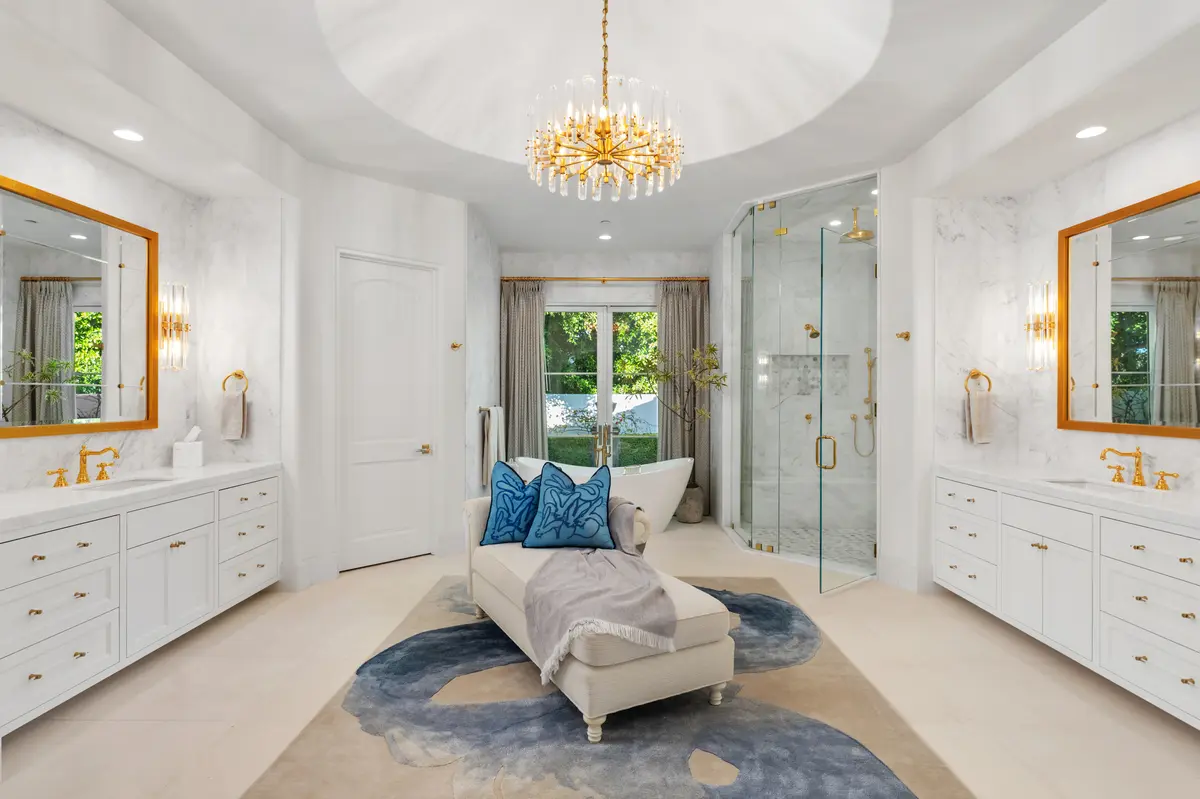
- Bath. Flank mirrors with vertical sconces for flattering light; choose matte stone and warm metals; conceal storage to keep lines serene.
- Outdoor rooms. Treat terraces like interior spaces: area rugs, layered low lighting, and furniture arranged for conversation. Control spill light to protect night skies and interior ambience.
Each move is small; together they produce a quiet, cohesive home.
Common Pitfalls in Coastal Interiors—and Simple Fixes
- Too many materials. Cap the palette: one wood, one stone, one metal family, one accent.
- Surface-mount shade clutter. Plan header pockets early for rollers; calculate drapery stack-backs in the drawings.
- Fixture grids that ignore furniture. Place lights for how you live, not for ceiling symmetry alone.
- All hard surfaces. Add rugs, drapery, and upholstered elements to tame echo and soften light.
- Accessories without edit. Choose fewer, larger, meaningful pieces and light them well.
Good design is restraint practiced consistently.
The Coastal Advantage: Designing With Sun, Breeze, and Time in Mind
The most enduring interior design ideas for Southern California don’t fight the environment—they collaborate with it. Plans align to views and breezes, materials accept patina, lighting softens the day’s intensity, and shades tune glare without stealing the horizon. With custom cabinetry to catch the everyday mess and tailored furnishings to welcome long conversations, a coastal home can feel as effortless as it looks.
Done well, coastal interiors are calm, breathable, and timeless—a sanctuary shaped by light, crafted for living, and ready for the years ahead.
Interior Design Articles