Minimalism dominated luxury interiors for over a decade, with its serene palettes, sharp lines, and an almost monastic sense of restraint. But as lifestyles and tastes evolve, so too does the definition of luxury. In today’s post-minimalist era, a new wave of interior design is emerging—one that embraces warmth, emotion, and individuality without sacrificing the sophistication expected at the high end.
This transformation isn’t a rejection of minimalism, but rather a refinement and expansion of its core principles. The clean lines and curated spaces remain, but they are now layered with texture, heritage, and material richness. For clients who crave both elegance and personality in their homes, the evolution of luxury design is more liberating—and inspiring—than ever.
Let’s take a closer look at how today’s leading luxury interior designers are moving beyond minimalism to create spaces that are as expressive as they are refined.
A Return to Rich Materials and Artisan Craftsmanship
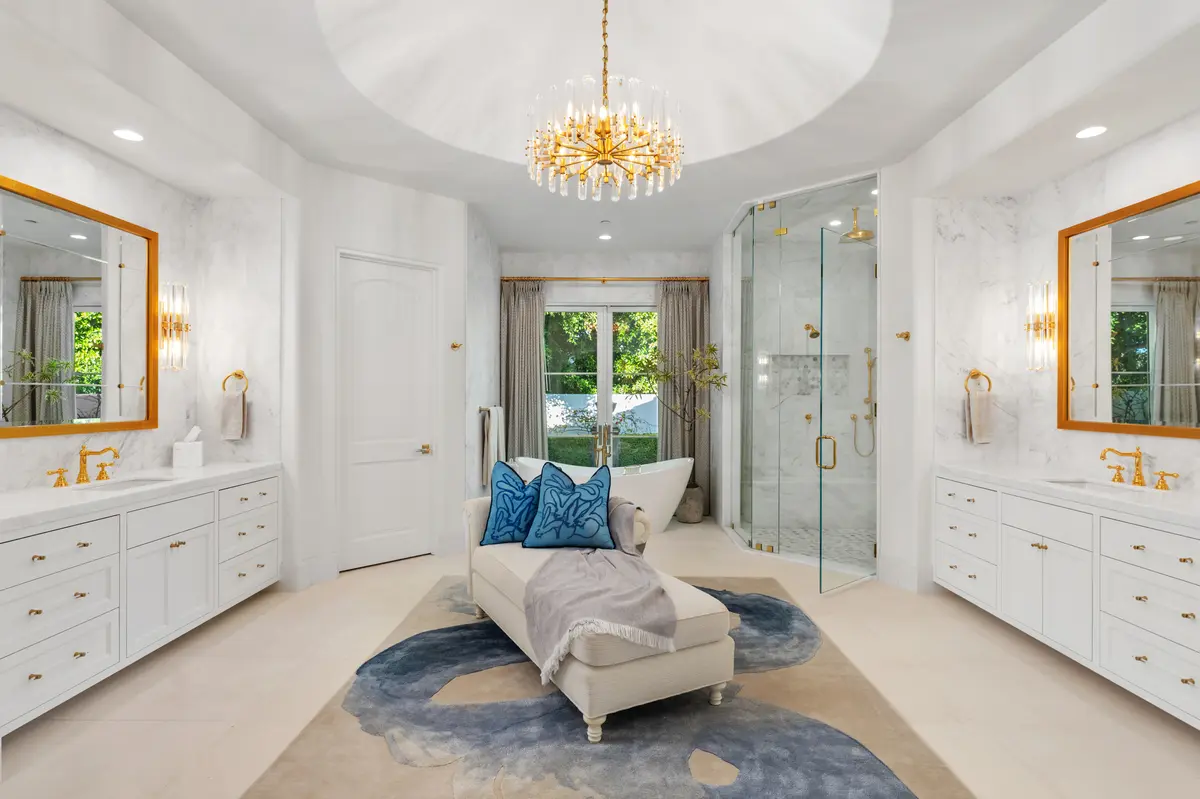
Where minimalism once favored uniformity and industrial finishes, post-minimalist luxury celebrates the unique. Interior designers are now sourcing artisan-crafted surfaces, hand-finished wood, unlacquered metals, and organic stone with heavy veining to introduce layers of visual and tactile richness.
Luxury is now synonymous with authenticity. A walnut-paneled study or a travertine kitchen island tells a story through the material itself, reflecting the client’s taste and the designer’s eye for detail. These elements ground the space, adding a sense of permanence and personality that minimalism often lacks.
Layering Textures Instead of Patterns
While traditional design often used patterns to signify luxury, the post-minimalist approach leans into texture as a language of depth and complexity. Designers are weaving together materials like bouclé, raw silk, brushed bronze, raked plaster, and live-edge wood to create a subtle but sensorial experience.
This layering is carefully orchestrated, offering visual contrast without visual noise. A soft wool rug beneath a marble coffee table, flanked by shearling-covered chairs—this kind of understated tension is what defines the new luxury.
Curated Maximalism With Sculptural Elements
Post-minimalism doesn’t necessarily mean clutter. Instead, it makes room for curated statement pieces that feel like art. Designers are incorporating sculptural furniture, vintage finds, and custom installations to break the monotony of sparse spaces.
These elements are not just decorative—they introduce movement, history, and intention into the room. A bold travertine pedestal or a vintage Italian chandelier becomes a focal point, injecting soul into a clean-lined environment.
Embracing Color as Emotional Luxury
For years, white walls and monochrome interiors were the hallmark of luxury minimalism. Today, however, color is returning, not in loud, chaotic bursts, but in rich, emotionally resonant tones.
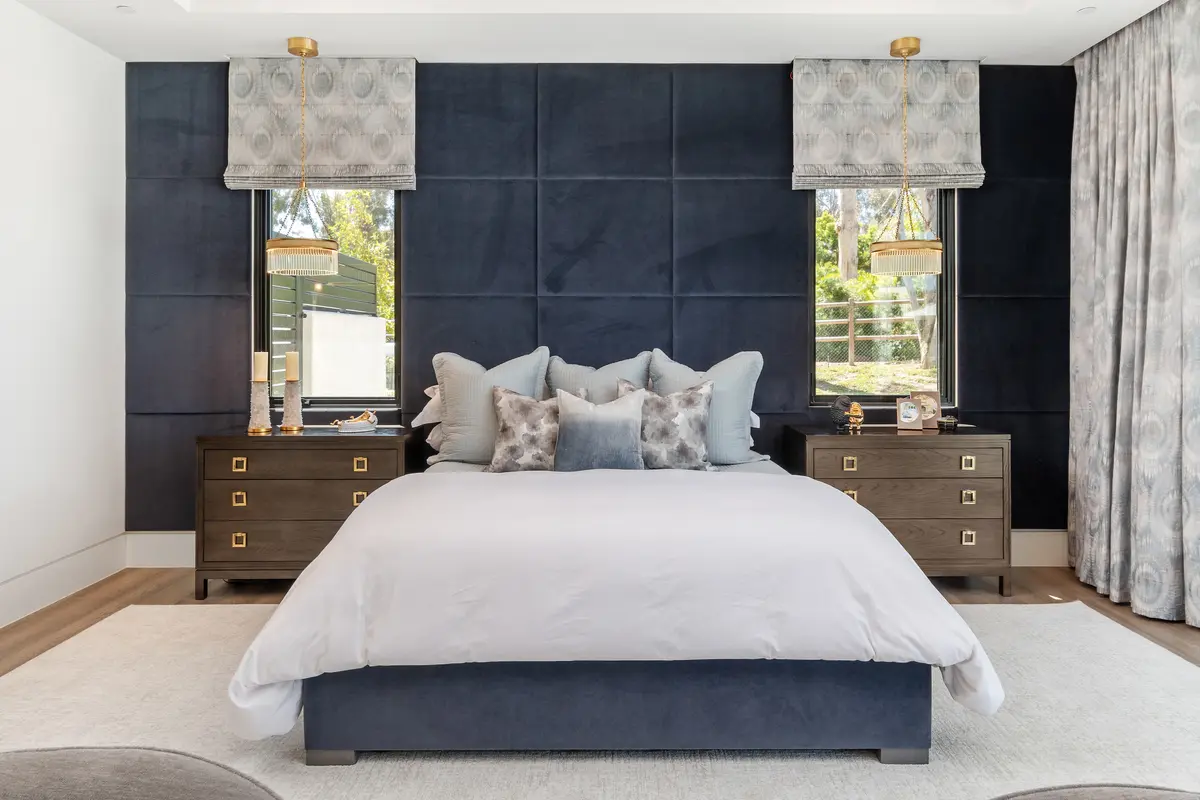
Designers are opting for deep oxbloods, muddy olives, ochres, and inky blues—colors that evoke mood rather than dominate. These shades are often used sparingly, creating moments of drama within otherwise restrained palettes.
This restrained use of color aligns with the overall shift toward emotional resonance in design. Luxury is no longer just about appearance—it’s about how a space feels.
Spatial Fluidity With Purpose
Open-plan living remains popular, but the post-minimalist interpretation of space favors defined zones within fluid layouts. Rather than an endless expanse of white and beige, designers are carving out areas with subtle shifts in ceiling treatments, lighting design, or floor finishes, giving each space its own character.
This creates intimacy within openness—a living room that invites conversation, a kitchen that centers around a stone island, a reading nook softly lit by architectural lighting. The flow remains, but it’s punctuated with meaning.
The Rise of Personalized Design Narratives
Perhaps the most significant shift in post-minimalist luxury is the rise of deeply personal storytelling through interiors. Clients no longer want a space that looks like a showroom—they want a home that reflects their values, experiences, and legacy.
Designers are responding with projects that blend contemporary aesthetics with heirloom pieces, collected art, and custom elements tailored to the client’s lifestyle. Whether it’s a wine wall designed for a collector, or a salon-style wall curated over years of travel, the focus is on individuality without sacrificing cohesion.
This personalized approach is where luxury truly resides: in the ability to design a space that couldn’t belong to anyone else.
Luxury interior designer trends are no longer about strict aesthetics—they’re about creating emotional, meaningful, and multi-dimensional spaces that evolve with their inhabitants. In this new chapter, refinement meets warmth, and minimalism gives way to soulful, storied design. It’s an evolution that speaks not just to taste, but to how we live—and feel—at home.
Interior Design Articles