The quiet power of spatial layout in high-end interior design
When you think of luxury interior design, your mind might go to finishes, furnishings, or lighting. But behind every beautiful room is a deeper, less visible structure: the floor plan. Long before the first surface is selected, it’s the layout that determines how a home feels, flows, and functions.
Floor plan design is where vision meets architecture. It dictates the relationships between rooms, the paths of natural light, and how daily routines unfold. In custom homes and complete remodels, this step is not simply a technical phase—it’s a design opportunity with lasting impact.
Here’s how thoughtful floor plan design shapes the way you experience your home, and why it remains one of the most foundational elements in luxury interiors.
Designing for Flow, Not Just Footage
A home’s value isn’t in square footage alone—it’s in how that space works. Floor plan design focuses on the movement between spaces, creating intuitive pathways that support everything from morning rituals to evening entertaining.
This means placing the kitchen near outdoor dining, ensuring bedrooms feel removed from main living areas, or connecting the mudroom seamlessly to a garage entry. It also means shaping space with clarity, so that rooms have purpose—and transitions feel natural.
Designers often use circulation patterns to balance openness with definition, creating a sense of ease and cohesion across the home.
Aligning Layout With Lifestyle
Luxury homes aren’t just meant to be admired—they’re meant to be lived in. Floor plan design takes into account the client’s unique lifestyle: how they entertain, where they unwind, how many people share the space, and how privacy is managed.
Do you need a dedicated office that still feels integrated? A media room that’s tucked away but not isolated? A primary suite that functions like a retreat? These needs inform where walls go, how wide openings should be, and how spaces relate to one another.
In this way, the floor plan becomes a portrait of how the client lives, expressed through architecture.
Creating Connection Through Sightlines and Light
In high-end interiors, the experience of space is shaped not just by function, but by visual rhythm. A well-designed floor plan considers how the eye moves—from one room to another, from a focal point to a framed view.
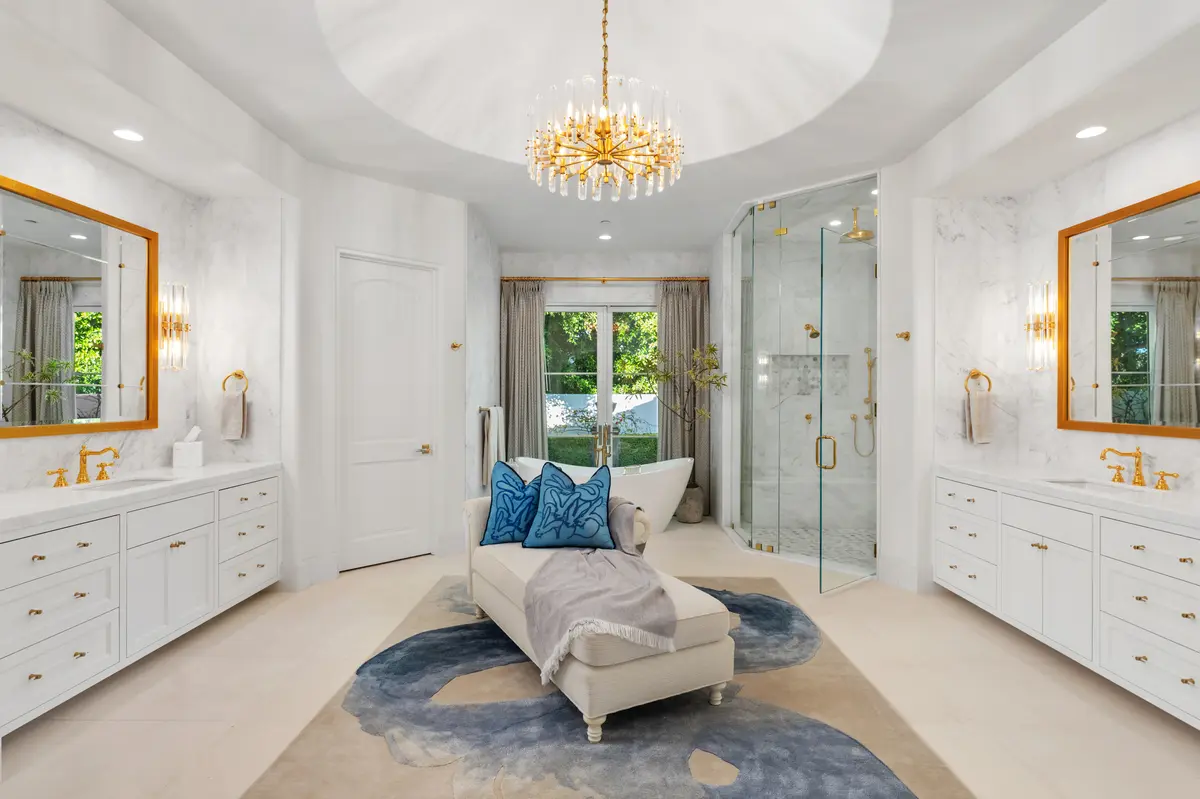
Strategic window placement, open corridors, and aligned doorways all contribute to a sense of expansiveness. When ceilings shift, or thresholds mark a new zone, those cues create subtle transitions that feel both architectural and emotional.
This layering of space and light is what makes a home feel balanced, spacious, and deeply considered.
Defining Zones Without Disrupting Openness
Modern luxury often means open-plan living—but that doesn’t mean formlessness. Floor plan design gives structure to large volumes by defining zones for gathering, retreat, work, and rest.
Designers use shifts in ceiling height, changes in flooring, or the placement of furniture and built-ins to shape zones without using walls. The result is a home that feels open and connected, yet still offers moments of privacy and intimacy.
This type of layout supports both beauty and usability, especially in homes where flexibility is key.
Setting the Stage for Every Design Decision That Follows
Floor plan design isn’t just the first step—it’s the one that informs everything else. The layout determines where natural light falls, how furniture is scaled, where architectural features belong, and how materials transition across rooms.
A strong floor plan anchors the design narrative, giving purpose and proportion to every surface and finish that comes next. It’s the structure that makes high-end design feel effortless—even when every detail is highly intentional.
In luxury interiors, comfort and elegance begin with clarity—and that clarity starts with the floor plan. By shaping space with both lifestyle and design in mind, floor plan design creates homes that are not just beautiful, but perfectly attuned to the people who live in them.
It’s the quiet blueprint behind every detail you love—and the foundation of living well.
Interior Design Articles