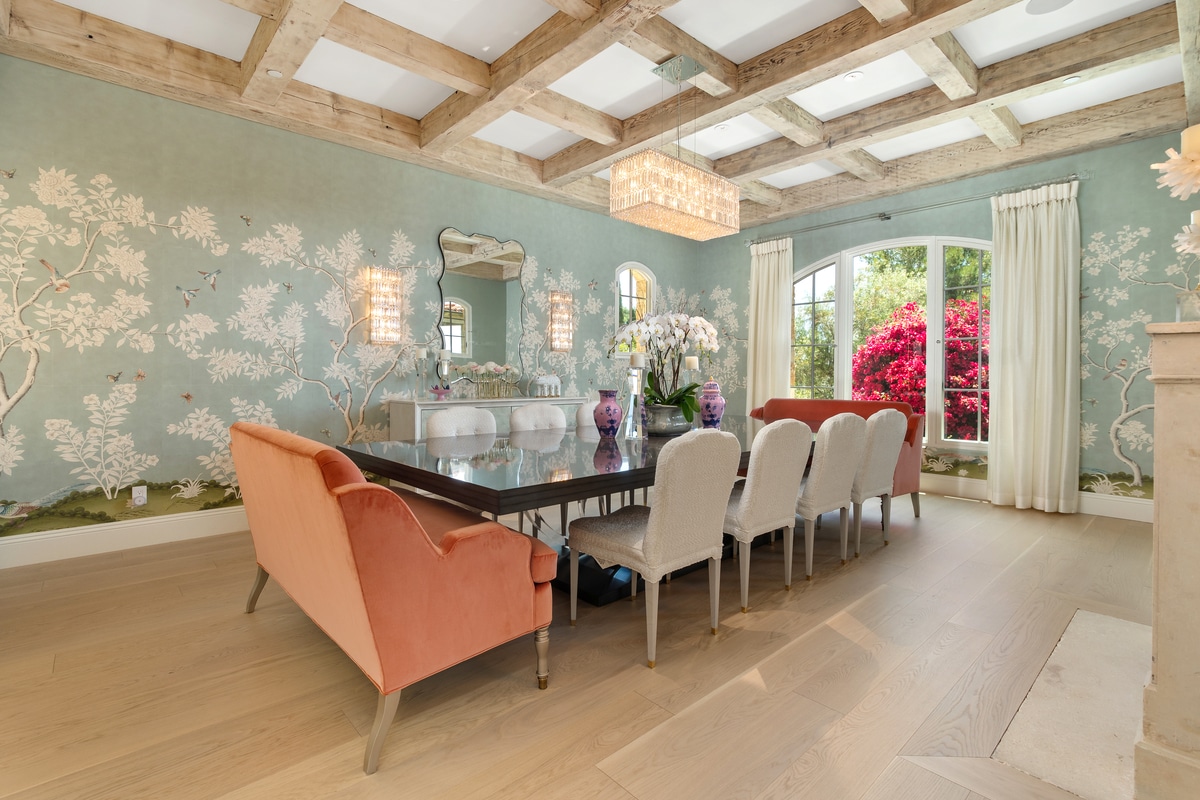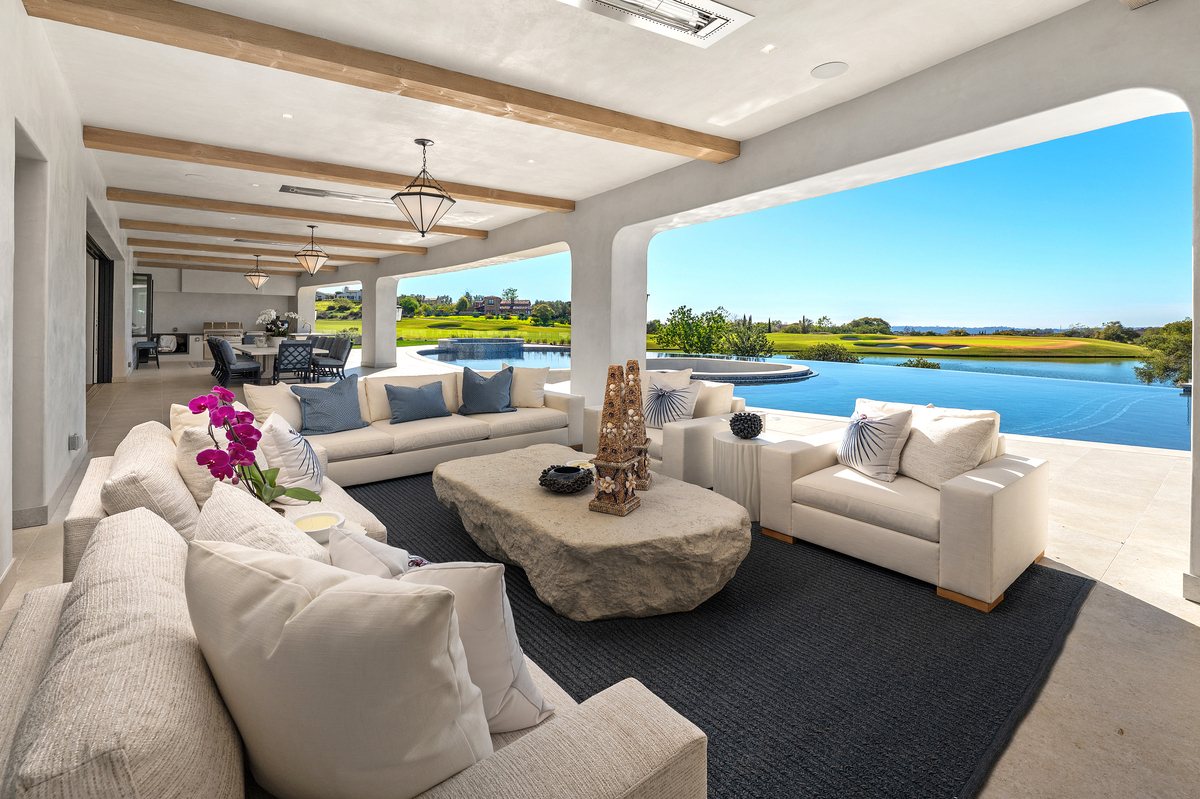
Coastal Southern California is a study in contrasts: high sun and marine layer, breezes laced with salt air, and the constant invitation to live between indoors and out. A high-end home renovation in this climate isn’t just about new color or trend-forward tile—it’s about selecting materials and finishes that perform beautifully, patinate gracefully, and connect interiors to the landscape. The right choices reduce maintenance, protect investment pieces, and keep rooms feeling calm and composed years after the renovation dust has settled.
This guide distills a designer’s lens on stone, wood, metals, textiles, wall finishes, and more—paired with practical coordination tips (lighting, shade pockets, ventilation, sealers) so the results look intentional and last.
Stone, Slab, and Tile: Honed, Textured, and Built for Light
In a sun-forward, salt-air environment, stone is a workhorse and a showpiece. The key is to respect how surfaces behave in strong daylight and frequent use.
- Honed over polished. High-polish stone reflects glare and shows water spots; honed or leathered finishes diffuse light and mask etching. Marbles like Calacatta and Arabescato are breathtaking, but in kitchens they’ll etch under acids. If you love them, use on verticals (full-height backsplash, fireplace) and choose harder stones (quartzite, granite, dense limestones) on counters.
- Quartzite for active kitchens. Natural quartzite resists scratching and heat better than engineered quartz, keeps a natural depth, and tolerates coastal traffic. Request a factory test slab (lemon, oil, wine) to preview behavior.
- Limestone & travertine with sealed, honed faces. These bring sun-softened texture to floors and patios. Use slip-resistant finishes outdoors; inside, a penetrating sealer protects against everyday spills while preserving a matte look.
- Large-format tile and slab continuity. Fewer grout lines read calmer in big, bright rooms. On floors, consider 24×48 or larger tiles with tight joints; on walls, book-matched slabs create visual serenity in showers and fireplace surrounds.
- Drainage and detailing matter. For outdoor kitchens and baths, slope planes subtly, use stone shims to float slabs where needed, and design drip edges to keep faces dry and clean.
Designer tip: Build stone selections into lighting decisions. Grazing a honed slab with a narrow-beam downlight reveals movement without producing mirror-like glare.
Wood Floors and Millwork: Grain, Finish, and Salt-Air Sense
Nothing warms a coastal home like real wood, but species and finishes must be chosen for stability and ease.
- Rift- or quarter-sawn oak. It resists cupping in humidity shifts and delivers a quiet, linear grain that suits modern and transitional architectures alike.
- Matte, oil, or hardwax finishes. Penetrating oils/hardwax allow spot repair and patina naturally. High-gloss poly reads cold in bright light and telegraphs scratches; matte hides life’s wear.
- Engineered planks for wide widths. A stable plywood core supports 7–10 inch widths with fewer seasonal gaps—ideal for large coastal spans.
- Walnut and ash as accents. Walnut adds chocolate warmth to casework; ash offers pale, contemporary calm. Keep stain values compatible with floor tone to avoid visual “fighting.”
- Millwork that breathes. Integrate vent slots behind paneled appliance walls and AV cabinets; salt air and temperature swings demand airflow. For exterior-adjacent built-ins, specify marine-grade substrates and sealed edges.
Designer tip: Carry one wood species across floors and major built-ins, then adjust value (light, mid, dark) to shape depth. A restrained wood vocabulary reads luxurious and reduces maintenance headaches.
Metals: Select for Patina, Not Perfection
Coastal conditions test finishes. Embrace living metals where appropriate and deploy coated options where you need stability.
- Unlacquered brass & bronze (interior). These patinate into rich tones, especially near windows and doors. They’re beautiful on cabinet hardware, faucets, and lighting—particularly when paired with honed stone and matte plasters.
- Stainless and powder-coated aluminum (exterior). For door hardware, outdoor kitchens, and railings, corrosion resistance matters more than trend. Select 316 stainless for harsh exposures.
- Blackened steel indoors. Lovely on hearth surrounds and stair details; seal with microcrystalline wax or clear matte lacquer and expect gentle wear.
- One family, many finishes. Limit the home to one dominant metal family and a secondary accent. Too many metals fragment sightlines in bright, open plans.
Designer tip: Order finish samples under real daylight before committing. Metals shift under coastal sun; a brass that reads warm indoors can skew green near ocean light.
Textiles: Performance With Hand
Luxury is touch and longevity. Sun, sand, and red wine insist on performance—without losing the tactile qualities that make a room welcoming.
- Linen blends, wool, bouclé—performance-backed. Today’s high-end performance yarns mimic natural fibers. Use them on primary seating and dining chairs where light exposure and entertaining collide.
- Solution-dyed acrylics & polypropylenes for indoor–outdoor. These resist UV fade and mildew yet feel surprisingly soft. Perfect for terraces that blur into living rooms.
- Window treatments with purpose. Interlined drapery adds body, improves acoustics, and protects rooms from glare. For daily light control, pair motorized rollers in header pockets (sheer for day, blackout for sleep) with decorative side panels.
- Rugs that breathe. Hand-knotted wool or wool-silk blends manage humidity and feel plush; for sandy entries or patios, flatwoven indoor–outdoor rugs clean easily and dry quickly.
Designer tip: Fabric-test swatches by taping them near your brightest windows for a week. You’ll see how color and sheen behave in your home’s specific light.
Walls, Plaster, and Paint: Quiet Surfaces for Strong Light
Coastal sun exposes every roller mark and patch. Choose finishes that diffuse rather than broadcast light.
- Hand-troweled plaster and mineral paints. These provide micro-variation that reads luxurious in bright conditions, avoiding the “flat board” look. Limewash and clay-based options are breathable—great for coastal humidity.
- Sheen strategy. Matte and eggshell on walls; velvet or satin only where cleanability demands it (kitchens, baths). High-gloss is best reserved for select millwork moments.
- Color families that love daylight. Warm whites, sand, putty, clay, and soft greys flatter natural materials. Keep undertones consistent with your primary wood and stone to avoid discord under shifting sun.
Designer tip: Build a sample wall with your top paints next to chosen wood and stone. Evaluate morning, noon, and dusk; coastal light shifts dramatically through the day.
Cabinetry & Built-Ins: Calm Storage, Durable Details
Renovations succeed long-term when storage anticipates real life—beach gear, outdoor cushions, entertaining pieces—and disappears visually.
- Marine-grade substrates by wet zones. In baths, laundry, and near exterior doors, use moisture-resistant cores to prevent swelling.
- Integrated pulls, thin reveals, touch latches. Clean faces reduce visual noise. If you prefer hardware, repeat one metal family and scale pulls to door size for quiet symmetry.
- Scullery and working pantry. Hide appliances and prep behind pocket doors to keep the main kitchen serene; specify work-grade counters (quartzite, stainless, or butcher block) where the action happens.
- Media walls that vanish. Panel systems, sliding screens, or pocketing doors allow screens to disappear—critical in glassy rooms where the TV can hijack the view.
- Lighting inside. Low-heat LED strips at shelves and wardrobes add function and a soft evening glow.
Designer tip: Pair built-ins with vented toe kicks near exterior doors; sand and moisture won’t accumulate, and cleaning is easier.
Baths and Wet Areas: Slip, Steam, and Softness
Coastal baths should feel like day-spa retreats—and perform like them.
- Matte, textured floors. Honed stone, mosaics, or anti-slip porcelain keep footing secure. Consider linear drains for minimal sightlines.
- Vertical face lighting. Flank mirrors with vertical sconces for flattering, shadow-free grooming. Overhead-only light creates unflattering contrast.
- Metals strategy. Stick to a primary metal across faucets, trims, and pulls; mix in a single accent if needed (e.g., brass with blackened steel).
- Steam and salt mitigation. Specify high-quality exhaust fans on timers; seal stone properly; use shower glass coatings that resist spotting.
Designer tip: Build a cleaning plan into specs—list sealers, care products, and re-seal intervals. Longevity is maintenance as much as material.
Outdoor Rooms: Finishes That Bridge to the Interior
The most successful high-end renovations in SoCal dissolve boundaries.
- Exterior stone with grip. Flame- or sandblasted finishes prevent slips and glare. Coordinate color with interior floors for seamless transitions.
- Teak, ipe, and powder-coated frames. These endure salt air; cushion in solution-dyed fabrics with quick-dry fill.
- Porcelain slab counters outside. UV-stable, heat-tolerant, and low-maintenance—an elegant alternative to soft natural stones at grills and bars.
- Dark-sky–friendly lighting. Shielded path and step lights preserve night views and reduce interior reflections on glass.
Designer tip: Keep thresholds flush where possible and specify compatible grout and grout sealers inside–out to avoid jarring shifts at the door.
Lighting, Shades, and UV Management: Protecting What You Love
Sun is both the star and the challenge of coastal homes. Integrate glare control and UV protection into the renovation drawings—not as an afterthought.
- Layered lighting with dimming. Use indirect coves, recessed with regress, and decorative pieces scaled to rooms. Aim adjustable downlights to graze stone and art.
- Keypad scenes. Replace multi-gang switches with labeled scenes—Morning, Afternoon, Evening, Entertain, All Off—so rooms adapt effortlessly to changing light.
- Motorized shades in header pockets. Plan pockets and power during framing; pair light-filtering and blackout fabrics. In bedrooms, consider side channels for a true dark sleep.
- UV film where needed. High-exposure windows benefit from spectrally selective films that cut UV while preserving color neutrality.
Designer tip: During procurement, mock up a window with your actual shade fabric and color temp lighting. Confirm glare control, privacy, and color fidelity to art and textiles.
Color Palettes: Neutrals, Depth, and One Confident Note
Coastal palettes thrive on restraint—then sing with a single, intentional move.
- Earth neutrals as the field. Warm whites, sands, and grey-greens create a canvas that flatters wood and stone.
- Tone-on-tone layering. Mix values (light, mid, dark) of the same hue for depth without pattern overload.
- One saturated accent. Deep green lounge chairs, an indigo rug, or rust leather anchors a space and photographs beautifully against sunlit neutrals.
Designer tip: Evaluate colors under 3000K evening light and daylight. The right palette will feel calm in both modes.
Sustainability and Health: Comfortable Today, Kinder Tomorrow
Durable materials are inherently sustainable because they don’t require frequent replacement. A few thoughtful choices multiply the benefit.
- Low-VOC finishes and adhesives. Especially important when sun warms interiors, releasing compounds.
- Natural fibers with performance weaves. Wool, linen, and cotton blended with advanced yarns balance feel and longevity.
- Refinish and reface where possible. Oiled floors can be renewed; quality cabinets can be re-veneered or painted with the right prep.
- Local fabrication. Custom millwork and stonework done nearby reduce lead times and transport impact while supporting craftspeople.
Designer tip: Ask vendors for Environmental Product Declarations (EPDs) and maintenance expectations; it’s the quickest way to compare long-term performance.
Coordination Checklist: Make It Buildable
High-end results come from decisions made in the right order and communicated clearly.
- Plan & elevations first. Set furniture layouts, built-in depths, and door/window alignments; these drive material quantities and slab sizes.
- Lighting & shade pockets. Draft reflected ceiling plans and integrate pockets before framing closes; select color temperature and dimming strategy early.
- Stone and tile layouts. Approve veining directions, book-matches, and control joints on paper; order with overage for pattern-driven installs.
- Finish samples under real light. Evaluate wood stains, stone finishes, metal patinas, and fabrics in situ at multiple times of day.
- Sealers and care. Specify exact products, application schedules, and cleaning tools; include a maintenance schedule in the handover.
- Receiving & inspection. Route stone, metals, and custom pieces to a receiving warehouse for condition photos and approvals before they reach site.
Common Pitfalls—and the Elegant Alternatives
- Gloss everywhere. Swap to honed/leathered and matte sheens to reduce glare and fingertip tracking.
- Too many materials. Choose one lead wood, one hero stone, one metal family, and a disciplined textile palette.
- Surface-mount shades. Plan header pockets and side channels during framing for a clean finish.
- Metals that fight the sea. Use unlacquered brass/bronze indoors; stainless or powder coat outdoors.
- Color without undertone discipline. Align paints to wood and stone undertones; test in actual daylight.
- Stone on every surface. Concentrate slabs where they make the biggest impact—fireplace, island waterfall—and use durable, quieter materials elsewhere.
Beauty That Deepens With Time
A high-end home renovation in coastal Southern California succeeds when specifications accept the environment rather than resist it. Honed stones that glow without glare, woods finished to be renewed, metals chosen for graceful patina, textiles that invite touch yet shrug off sun, and wall finishes that calm bright rooms—each choice is small on its own, but together they create a home that settles in beautifully.
Design for the light you have, the breezes you love, and the way you truly live. Materials will age; choose the ones that become more compelling as they do.
Interior Design Articles