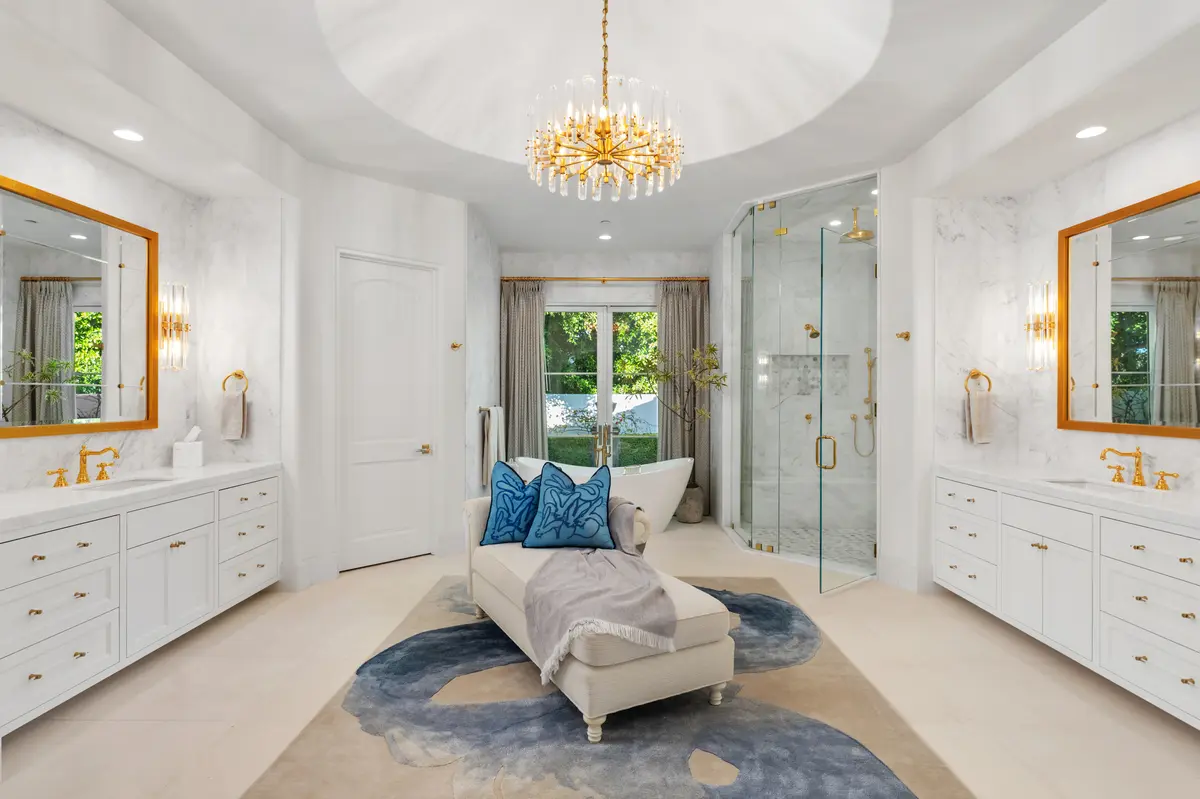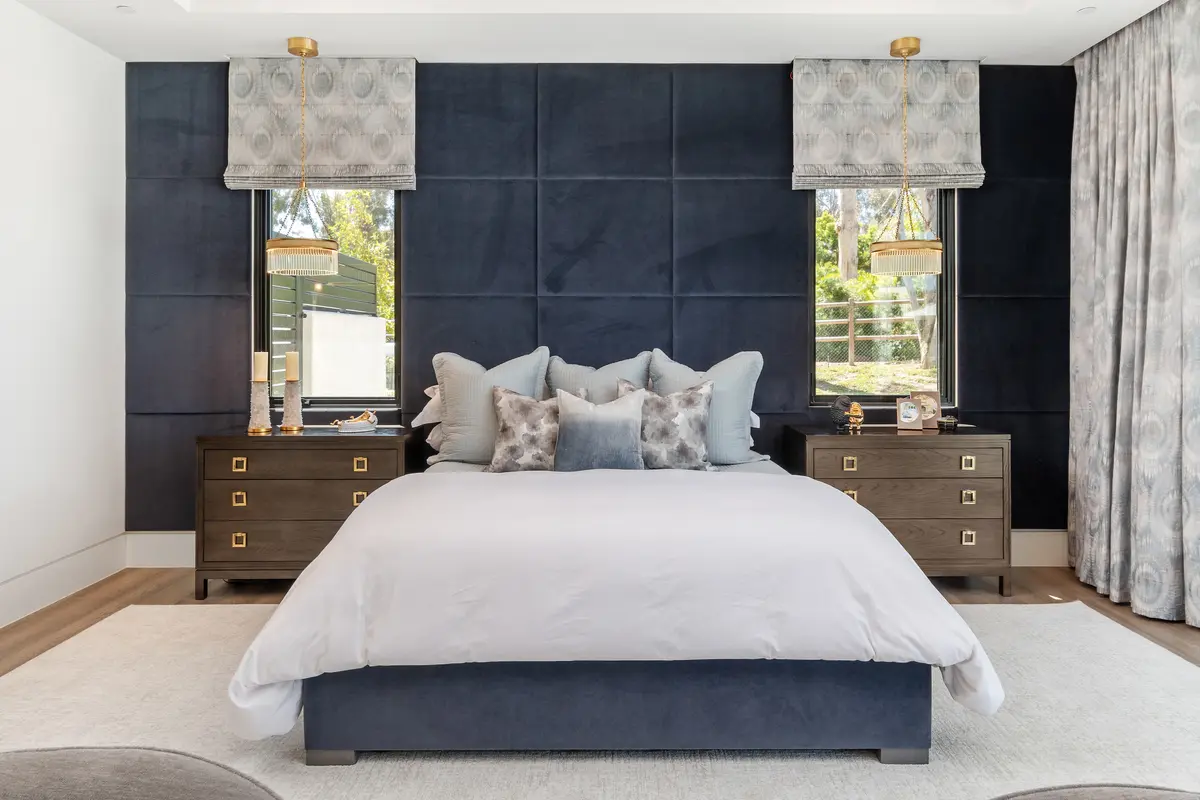
A visual roadmap for confidently navigating custom interior design
Interior design at the luxury level is equal parts vision and precision. Clients come to the process with aspirations, preferences, and priorities—but translating those into a physical space requires more than conversation and sketches. It requires a tool that makes the intangible tangible.
That’s where renderings services become essential.
More than just pretty pictures, professional renderings function as a bridge between early concepts and final decisions. They allow clients and designers to align on spatial layout, scale, materials, and mood—long before construction begins. In high-end projects where detail and customization are paramount, this level of visualization is not a luxury—it’s a necessity.
Here’s how renderings services shape the design process, reduce uncertainty, and support elevated outcomes.
Clarifying Layout and Proportion Early On
Floor plans can tell part of the story—but even the most detailed drawings leave room for misinterpretation. Renderings add the third dimension, helping clients understand how space feels when experienced from within.
By visualizing furniture placement, ceiling heights, window positions, and pathways in context, designers and clients can evaluate whether the layout supports the intended function and flow. This is especially useful in open-concept spaces or reconfigured renovations where original room boundaries no longer apply.
The result is fewer surprises—and stronger, more intentional decisions from the start.
Testing Materials and Finishes in Real Context
A palette may look beautiful on a sample board, but renderings allow it to be tested at scale, in real lighting conditions, and alongside architectural details. Will that travertine floor feel too cold next to the oak cabinetry? Does the plaster finish work with the warm metal hardware? How does that paint color shift with indirect light?
Renderings services give clients the ability to see how each selection interacts—visually and emotionally—with the surrounding space. This improves confidence in material decisions and ensures a greater sense of cohesion across the home.
Improving Collaboration Between Stakeholders
Luxury projects often involve multiple players—clients, designers, architects, builders, and fabricators. Renderings serve as a shared language, reducing miscommunication and aligning expectations across disciplines.
Rather than relying on verbal descriptions or abstract drawings, everyone is working from the same visual roadmap. This makes it easier to coordinate details like millwork dimensions, ceiling treatments, lighting placement, and custom furniture scale.
In projects where time and precision are critical, that clarity can save both money and momentum.
Previewing Custom Features Before They’re Built
In high-end interior design, customization is everywhere—from vanities and fireplaces to built-ins, lighting, and art installation. But those unique elements can be difficult to visualize without help.
Renderings services allow clients to preview custom design features—seeing how a stone slab will wrap a kitchen island, how floating shelves will appear in a niche, or how a lighting installation will sit above a sculptural dining table.
This previsualization ensures that bespoke details don’t just look good in isolation, but that they make sense within the full context of the room.
Supporting Decision-Making With Confidence
One of the most common sources of stress in home design is decision fatigue—particularly when selections affect not just cost, but comfort and longevity.
By visualizing options in photorealistic detail, clients can compare variations with clarity. Whether it’s two different fireplace materials or subtle changes in cabinetry finish, renderings allow clients to make confident, informed choices with the full picture in mind.
The process becomes less about guessing and more about fine-tuning.
Elevating the Overall Experience of Design
Beyond the technical benefits, renderings services contribute to a more enjoyable, collaborative design journey. Clients are no longer asked to imagine what the designer sees—they’re invited to see it for themselves, early and often.
This visual transparency builds trust, strengthens communication, and reinforces the designer’s vision while honoring the client’s comfort. It sets the tone for a project that feels curated, not chaotic.
Luxury interior design thrives on clarity. And in projects defined by customization, scale, and nuance, renderings services offer a practical tool to navigate complexity with ease.
They aren’t just about visualizing what a room will look like—they’re about understanding how it will function, feel, and live. From concept to clarity, they support the thoughtful decisions that turn design into something deeply personal—and beautifully executed.
Interior Design Articles