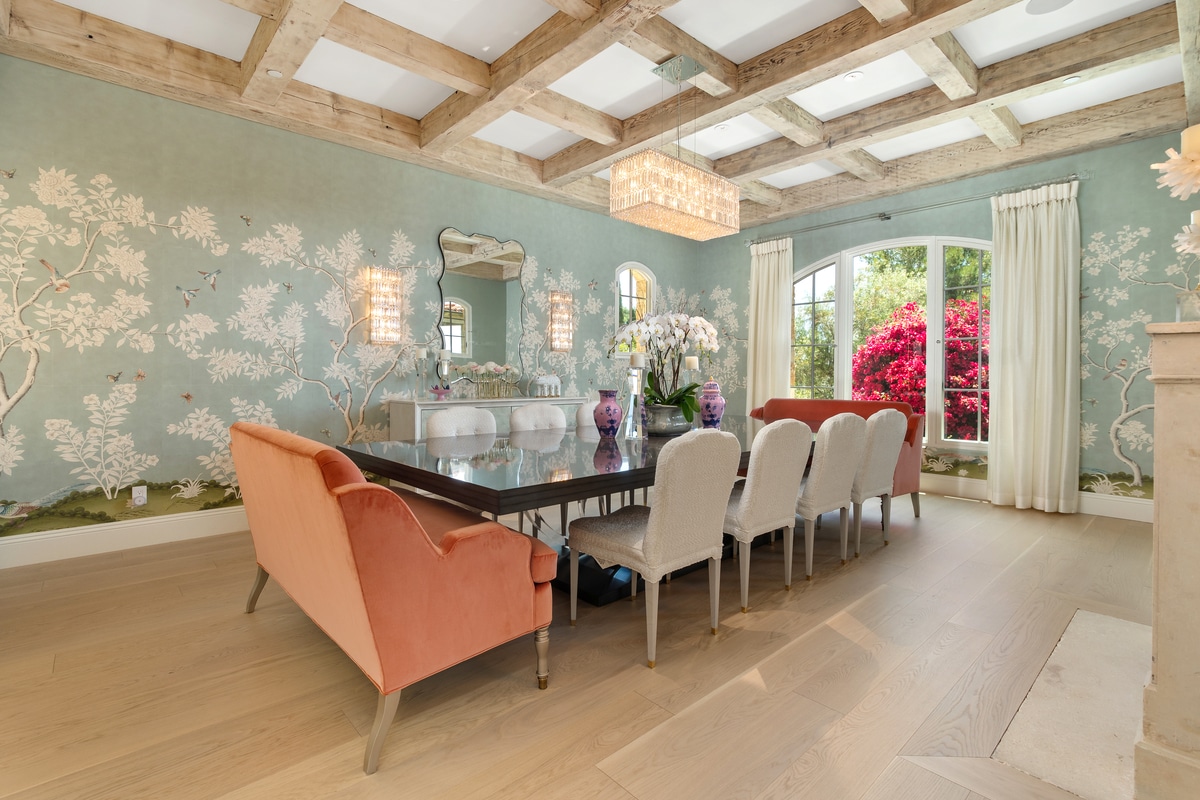
Living rooms are rarely perfect rectangles with a centered fireplace and generous walls waiting for a standard sofa. More often, they’re long and narrow, open to the kitchen, punctured by columns, wrapped in windows, or built around an off-center fireplace and TV. That’s where custom furniture design ideas move from “nice-to-have” to “the only thing that truly works.”
Instead of forcing standard pieces into a stubborn footprint, custom furniture lets you shape seating, storage, and surfaces to the room you actually have—respecting circulation paths, framing views, and making every seat feel intentional. The goal is not to cram more pieces in, but to design a few perfectly scaled, multi-purpose ones that make the whole space feel effortless.
Here are detailed, practical ways custom furniture can solve tough living room layouts and make them look as if they were always meant to be this way.
Start with Flow: Mapping Paths Before Choosing Pieces
Before thinking about fabrics or finishes, a designer starts with a plan: how people move through the room and where they naturally sit.
- Trace the traffic routes. Identify the paths from entry to sofa, sofa to kitchen, kitchen to terrace, and living room to hallway. Mark each route on a scaled floor plan—paper or digital—so you can see where furniture can and cannot go.
- Protect primary clearances. Aim to maintain 36–42 inches for main walkways, and at least 30 inches between the edge of a coffee table and the sofa. If a standard sofa or console eats into that path, it’s a sign you need a custom length, depth, or curve.
- Anchor the focal point. Decide what the living room is truly oriented around: a fireplace, a view, a TV wall, or a combination. Custom seating and tables can then be shaped to frame that focal point without blocking circulation.
Once you know where people must walk, you can design pieces that hug the architecture instead of fighting it—bending around corners, tucking behind openings, or shifting just enough to clear a path.
Custom Sofas and Sectionals for Odd Shapes and Narrow Rooms
Standard sofas are built for ideal rectangles. Real rooms might be too narrow for deep seating, angled, or partially open. Custom upholstery lets you dial in length, depth, angle, and arm shape so the room feels balanced.
Some powerful moves:
- Shallow-depth sofas for tight rooms. If the room is narrow but you still want opposing sofas or a sofa and chairs, consider a custom depth of 32–36 inches instead of a bulky 40+. Add softer back cushions and pillows for comfort without consuming the walkway.
- Curved or chamfered sectionals. In rooms where circulation clips a corner of the seating group, a curved sectional or a sectional with one angled corner eases the path and looks intentional. The curve softens the room and subtly guides movement around the seating, not through it.
- Asymmetrical sectionals. If there’s a fireplace on one wall and a door on the other, a sectional with one longer arm and one shorter arm can orient to the focal point while leaving room for circulation on the busy side.
- Built-in banquette-style seating under windows. In a long, narrow room with windows along one side, low, built-in seating topped with custom cushions creates a continuous bench that doesn’t intrude into the room, freeing space for a floating sofa or chairs.
Custom seating lets you treat every inch as purposeful: depth is tuned to the room, length matches the wall or window rhythm, and arms and backs are scaled so sightlines stay open.
Double-Sided Sofas and Low Storage for Open-Concept Living
Open-concept plans often struggle with where to “end” the living room and “begin” the adjacent dining or kitchen area. Custom furniture can act as a soft divider—defining zones without blocking views.
Ideas that work especially well:
- Double-sided sofas. These are sofas with a back low enough to be approachable from both sides, or with a central back and seating facing each way. On one side, the sofa belongs to the living room; on the other, it serves a reading chair or dining area. This approach is ideal when you want one large, generous piece instead of multiple smaller ones.
- Sofa-back credenzas or consoles. A custom-length console behind a floating sofa does triple duty: it visually anchors the seating group, offers storage for entertaining pieces or games, and creates a subtle “edge” between living and dining without a solid wall.
- Low storage walls. In open rooms, a low, continuous cabinet (say 24–30 inches in height) can define the living zone, hold media components, and provide hidden storage while still allowing sightlines across the room.
These pieces act like architecture in furniture form—they define spaces and manage practical needs like storage and wiring without building walls.
Coffee Tables and Side Tables Tailored to the Plan
Tables might seem like the easiest elements to buy off the shelf, but in tricky layouts, standard dimensions can either block circulation or feel lost. Custom tables let you shape the footprint to the space.
Consider:
- Elliptical or “racetrack” coffee tables. In tight clearances, long rectangles and sharp corners can be awkward. An elongated oval or racetrack-shaped coffee table maintains surface area for books and trays while keeping the flow comfortable.
- Asymmetrical or offset plinth tables. When a seating group is pushed slightly off-center to respect circulation, a coffee table with a subtly offset base or asymmetrical top can visually center the composition and offer more surface where it’s needed.
- Integrated storage tables. Custom designs can hide drawers, lift-up sections, or shelves for remotes, chargers, and games, keeping surfaces calm in a small room where every bit of visual clutter shows.
- Nesting side tables. Slim, nesting side tables that slide under or partially over seating arms mean you can pull surfaces close when needed and tuck them away when traffic increases.
The right custom table proportions can make a room feel generous and uncluttered, even when square footage is tight.
Media Walls and Built-Ins That Solve Off-Center Fireplaces and TVs
One of the most common “tricky living room” problems: fireplaces and TVs that aren’t centered, or blank walls that are too short for standard media furniture. Custom millwork and furniture solve this by reshaping the visual center.
Effective strategies:
- Full-wall media units. Instead of a small console under a TV that’s pushed to one side, a custom-width media wall can extend across the entire wall, integrating the TV, storage, and display niches into a single composition. Open and closed sections are laid out to visually “center” the TV even if the wall itself is oddly proportioned.
- Asymmetrical built-ins around a fireplace. When the fireplace isn’t centered, custom cabinetry and floating shelving can balance the mass visually—heavier closed storage on one side, lighter open shelving on the other, all tied together with consistent materials and integrated lighting.
- Low, continuous cabinets under windows. If the only available wall has windows dropping low, a custom-height, low cabinet running beneath them provides media storage and a surface for art and lamps without blocking natural light.
- Integrated AV and ventilation. Custom pieces can include discreet venting, cable management, and speaker grilles, so there are no wires or random electronics perched on furniture.
Instead of fighting an awkward fireplace or TV placement, custom millwork lets you compose the whole wall so it becomes a feature, not a compromise.
Window Seats, Nooks, and Built-In Benches in “Nowhere” Corners
Most tricky living rooms have at least one awkward corner—too small for a standard chair, too visible to ignore. Custom seating transforms those corners into some of the most beloved spots in the house.
Ideas to explore:
- Bay window benches. A custom bench that follows the angle of a bay or corner window can include storage below, seat cushions, and pillows for lounging. It creates an extra perch without adding loose furniture into tight walkways.
- Corner reading nooks. A built-in L-shaped seat with a small integrated side table and sconce can turn an unused corner into a cozy reading nook, especially in rooms with tall ceilings that need a grounded, human-scale moment.
- Step-down or split-level seating. In rooms with a step or change in level, custom seating built into the transition (for example, a bench along the edge of a step) can solve circulation and create casual perches.
- Under-stair seating. If the living room abuts a staircase, the under-stair volume is valuable. Custom banquettes or storage benches here can add seating and hide practical items like blankets or games.
These pieces make the room feel “wrapped” in usable moments, rather than dotted with random furniture trying to fill gaps.
Scaling and Shaping for Views, Fireplaces, and Artwork
Tricky layouts aren’t just about walls and doors; they’re also about what you’re looking at when you sit down. Custom furniture helps ensure every seat has a good reason to be there.
Key considerations:
- Align seating with primary views. If you have an ocean, garden, or city view, angle or curve sofas and chairs so they address both the view and the conversation area. Custom bases and legs can be designed to look good from the back since they’ll be visible from the adjacent spaces.
- Balance TV and art. If a TV must share a wall with art, custom consoles and paneling can create zones: a framed TV on one side, a coordinated art panel on the other, all resting on a continuous piece of furniture that unifies them.
- Height discipline. In rooms with strong architecture, custom furniture is designed to hit key horizontal lines—a console matching the bottom of windows, a bench aligning to fireplace hearth height, a media unit that meets a wainscot or picture rail. This alignment calms the eye and makes the furniture feel built-in, even when it isn’t.
The result is a living room where every angle feels considered—no “orphan chairs” facing nothing, no sofas staring straight at blank walls.
Material and Detail Choices That Support the Plan
Finally, materials and detailing matter just as much as shape—especially in tricky rooms where pieces sit close to each other.
- Rounded corners and soft edges. Where circulation is tight, specifying radiused corners or eased edges on custom tables, benches, and cabinetry keeps movement comfortable and family-friendly.
- Leg vs. plinth bases. In small or busy rooms, a plinth base can make a piece feel grounded and architectural; in narrower spaces, slender legs with clearance below help the room feel open and airy.
- Consistent finishes across custom pieces. If you have custom sofas, consoles, and built-ins, repeating the same wood species, stain value, and metal family ties the room together—even if the shapes vary to solve different problems.
- Integrated power. Custom pieces are the perfect place to hide outlets and charging—inside a drawer, in a pop-up within a table, or at the end of a bench—keeping cords away from circulation paths.
These details are the difference between “furniture in a tricky room” and a living room that feels as though it was designed as a cohesive whole.
The Power of Designing to the Room You Actually Have
Tricky living room layouts aren’t a flaw—they’re an invitation to design with more precision. The most effective custom furniture design ideas don’t try to force a “standard set” into a nonstandard space. Instead, they:
- Start with flow and focal points
- Shape sofas and sectionals to the actual room, not the other way around
- Use double-sided seating, consoles, and low storage to define zones
- Tailor coffee and side tables to circulation and reach
- Transform awkward walls and corners with media millwork, window seats, and built-in benches
- Align scale, views, and materials so everything reads intentional
When furniture is drawn to the inch, built for your exact footprint, and finished to belong with your architecture, the living room stops feeling tricky. It simply feels like it was always meant to be this way—cohesive, comfortable, and completely your own.
Interior Design Articles