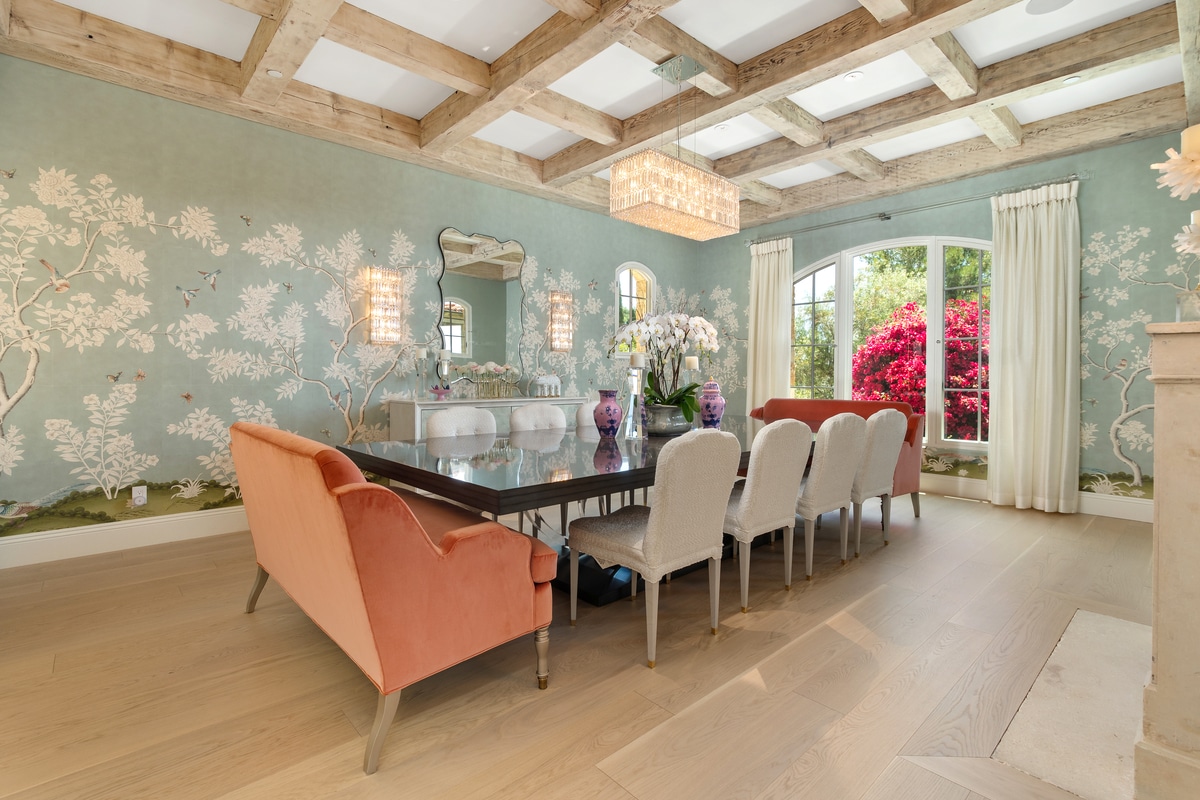
A successful boutique doesn’t happen by accident. It’s the result of deliberate space planning and customer flow that make discovery feel intuitive, keep dwell time high, and guide guests naturally from the door to the fitting room and the point of sale. In boutique interior design, every inch works: the entry sets the narrative, circulation loops invite exploration, fixtures show merchandise in the right quantity, and sightlines lead to the moments you want shoppers to remember.
This guide translates the best practices of luxury residential planning to retail—scaled to intimate footprints, high-touch merchandising, and the realities of daily operation. You’ll find practical, buildable ideas for plan layouts, fixture design, lighting, fitting rooms, and cashwrap strategy that make your boutique not just beautiful, but profitable.
The first 10 feet: design the “threshold moment”
The first step over the threshold is where shoppers decide—often subconsciously—whether to linger. Treat this zone as a reset:
- Create a decompression zone. Leave 5–10 feet of uncluttered space beyond the door so customers can transition from street speed to boutique pace. Keep signage minimal, sound calibrated, and avoid placing the checkout directly in this view.
- Stage a single strong story. Use one focal display or mannequin pair with an edited color story to introduce the season or capsule—not a wall of racks.
- Avoid immediate decisions. Don’t ask for action (buy, sign up, walk left vs. right) in the first few seconds. The goal here is orientation, not conversion.
Think of this area as your boutique’s foyer: calm, legible, and compelling.
Map a loop, not a maze
Customers buy more when the path is clear, continuous, and comfortable. The plan should make a loop that returns shoppers to the front without confusion.
- Set a primary circulation loop. A 4–6 ft-wide path allows two people to pass comfortably; in tighter stores, maintain at least 36 inches everywhere to feel easy rather than cramped.
- Place speed bumps. Low tables or short gondolas interrupt the straight line every 8–12 feet with a shoppable “pause”—folded stacks, accessories, or new-arrival edits.
- Anchor the back wall. Put a destination at the rear: a striking feature wall, fitting-room entry with a styled lounge, or your most compelling high-margin capsule. A strong back anchor pulls shoppers through the entire space.
- Design for stroller + bag behavior. Avoid dead ends; maintain turn radii at corners so a guest carrying bags—or pushing a stroller—never feels trapped.
If the space is narrow and deep, skew fixtures diagonally to elongate sightlines and make the room feel wider.
Sightlines are strategy: what do you want them to see first?
Great boutiques edit what the eye sees at each step.
- Low-to-high rhythm. Keep fixtures lower at the entry and gradually build height toward perimeter walls. The eye reads depth, rooms feel bigger, and the back-of-store anchor becomes irresistible.
- Frame hero pieces. Place statement looks at the end of sightlines (the far end of an aisle or opposite a mirror). Use contrasting backdrop materials—plaster, wood, or fabric—to make color pop.
- Keep the POS out of the first view. Seeing a cashwrap first makes a boutique feel transactional. Let discovery happen before the idea of paying appears.
- Mirror discipline. Mirrors extend sightlines but can also create glare. Position them to double the impact of signature displays, not to reflect clutter or stockrooms.
Ask yourself at each turn: What do we want noticed from here? Then remove everything else from that view.
Fixture planning: less, better, flexible
Fixtures are your architecture. They should be modular, movable, and specific to the merchandise.
- Perimeter first. Use perimeter systems (shelving standards, rails, wall bays) for hanging and folded basics. Keep the mid-floor light and curated.
- Mid-floor rules.
- Height: Favor 36–54 inches so the room remains legible and staff can see over displays.
- Quantity: Show one of each size, restock often; over-dense fixtures kill perceived value.
- Mobility: Specify hidden casters and locking feet so you can reflow for events or drops.
- Tables over tall racks. Low plinths and tables showcase color stories and accessories without blocking views. Vary heights slightly (nesting) to create a stepped landscape.
- Specialty displays. Vitrines for jewelry or small leather goods; slanted shelves for shoes; T-stands for featured garments. Each should include integrated lighting and security where needed.
Use one dominant material palette—oak + powder-coated steel + plaster, for example—with a tight vocabulary of forms. Cohesion reads premium.
Merchandising by storyline and margin
Design supports what you want to sell most.
- Capsules, not categories. Present outfits or themes together: top, bottom, outerwear, accessory. Cross-merchandising increases average order value by giving customers an easy “yes.”
- Good-better-best sequencing. Lead with “good” to welcome, cluster “better” at mid-store, and position “best” in the back anchor or a special niche with elevated lighting and finishes.
- Color flow. Move from light to dark or warm to cool as shoppers progress; abrupt palette jumps feel chaotic.
- Backstock is invisible. Built-in drawers or concealed cabinets under perimeter bays keep replenishment close without visual noise.
Re-merchandise weekly using the same backbone layout so regulars stay oriented while content stays fresh.
Lighting that sells (and flatters)
Customers buy what they can see well—and what makes them feel good in mirrors.
- Ambient. Provide an even base with recessed or track lighting aimed to avoid shadows at the face. Avoid cold, flat washes; choose 2700–3000K for warmth that respects color.
- Task. Integrate lighting into shelves, vitrines, and hanging bays. Adjustable beam spreads (narrow for highlights, wider for folded stacks) keep the look intentional.
- Accent. Aim accent heads at mannequins, feature tables, and brand graphics. Grazing textured backdrops (plaster, wood slats) creates depth without more product.
- Fitting room lighting. The most important light in the store. Use vertical sconces at mirror edges to light the face evenly; add a soft overhead fill. Program scenes for day and evening to match ambient light outside.
- Glare control. Shield sources near mirrors and glass; glare makes rooms feel harsh and colors read inaccurately.
Label a few simple scenes on a keypad—Open, Shop, Event, Clean—so staff can maintain consistency.
Fitting rooms that convert
Try-ons convert browsers to buyers. Treat fitting rooms as miniature lounges.
- Location. Place them two-thirds into the store so customers pass key merchandise on the way. Avoid hiding them completely; a visible entry signals “we want you to try.”
- Size and comfort. Target 5×7 ft per room where possible; include a bench, multiple hooks, and a shelf for bags. Wider-than-standard doors or curtains make entry with strollers easy.
- Mirrors and light. Full-height mirrors with vertical lighting on both sides; consider a second mirror at 45° for a back view.
- Call-for-size system. Simple, elegant signaling (button or discreet bell) lets staff help without customers leaving the room.
- A small lounge. Two chairs and a low table just outside encourage companions to stay—and suggest a leisurely pace.
Keep finishes cohesive with the sales floor but slightly softer: plush rug tiles, warm woods, and forgiving wall tones make everyone look their best.
Cashwrap placement and flow
Your point of sale should be easy to find at the end, not in the way at the beginning.
- Location. Position near the exit but off the main loop so lines don’t block circulation. Sightlines from POS to floor improve security and service.
- Queue design. Define a single, clear queue with low fixtures that double as last-minute accessory or gift card displays.
- Ergonomics. Counters at 36–38 inches with a lower ADA surface; concealed cable management; bag and tissue storage within arm’s reach; a dedicated area for gift wrap.
- After-hours visibility. Keep the cashwrap’s backdrop tidy—paneling or shelving that looks composed when lights are low.
Make paying feel like the natural last step of a pleasant route, not a hurdle.
Back-of-house that protects the front-of-house
Efficiency backstage keeps the sales floor pristine.
- Receiving and steaming. A defined path from delivery door to a prep zone (steamer, tagging, folding) prevents cartons from lingering in public view.
- Stock by frequency. Place high-turn sizes closest to the floor, specialty or seasonal deeper. Clear labels reduce staff search time.
- Trash and recycling route. Keep these out of customer sightlines; schedule runs between peak hours.
- Employee zones. Lockers and a small break area prevent the cashwrap from becoming a catch-all.
If square footage is tight, use tall stock cabinets that match perimeter millwork, with doors that close to keep the room serene.
Material palette: luxe, durable, maintainable
Boutiques take a beating—heels, hangers, rolling racks. Choose finishes that age well and are easy to refresh.
- Floors. Engineered wood in a matte finish, large-format porcelain, or sealed concrete with a soft sheen. Use rugs only where trip risk is minimal.
- Walls. Hand-troweled plaster or high-quality matte paint (touch-up friendly). Reserve pattern for a single feature wall or fitting rooms.
- Fixtures. Oak or ash paired with powder-coated steel; avoid easily chipped veneers on high-touch edges.
- Counters and tables. Honed stone or durable solid surfaces that resist rings and scuffs.
Limit the total materials to one wood, one stone/solid surface, one metal family, and a controlled fabric story. Cohesion reads elevated and lets merchandise shine.
Acoustics, scent, and sound: the invisible design
Subtle sensory design keeps shoppers comfortable longer.
- Acoustics. Add soft layers (drapery, rug tiles in fitting rooms, upholstered benches) to reduce echo.
- Scent. A barely-there signature scent near the entry and fitting-room hall can anchor memory; avoid strong fragrances that compete with materials.
- Sound. Music at a volume that allows conversation; consider directional speakers so the cashwrap remains calm.
Customers stay—and spend—when the environment is pleasant over time, not just at first glance.
Seasonal agility: plan for change without chaos
Design your store to morph gracefully for drops, holidays, or events.
- Movable mid-floor fixtures on locking casters let you recompose quickly.
- Universal power: floor boxes and overhead track keep window and table displays lit wherever they move.
- Graphic zones: pre-planned, easily updated signage rails or frames prevent ad-hoc tape jobs that cheapen the look.
- Storage for props: a tall, slim closet for mannequins, risers, and seasonal décor keeps back-of-house tidy.
Agility keeps the boutique fresh without weekly floor-plan surgery.
Metrics to design for—and measure after
Good design is testable. Build with targets in mind, then track.
- Dwell time. Longer is usually better—especially near fitting rooms and the back anchor. Seating and good light help.
- Heat mapping. Watch where customers hesitate or bypass; refine speed bumps and adjust fixture density.
- Conversion and average order value. Cross-merchandised capsules, fitting-room comfort, and queue displays should lift both.
- Restock rhythm. If staff can reset displays fast, the plan works; if not, reduce fixture complexity or increase concealed storage near the floor.
Iterate quarterly; a boutique is a living organism, not a one-time install.
A buildable checklist for your architect, designer, and GC
- Scaled floor plan with the decompression zone, primary loop, and back anchor identified.
- Fixture schedule (perimeter + mid-floor) with dimensions, mobility, lighting integration, and materials.
- Lighting plan: ambient/task/accent, beam spreads for displays, fitting-room vertical lighting, scenes and controls.
- Mirror plan: locations, heights, and what each mirror reflects.
- Fitting room package: room sizes, hooks/bench/shelf specs, hardware, curtain vs. door, lighting scenes, call-for-size system.
- POS millwork drawings: ADA surfaces, storage logic, cable management, security, queue layout.
- Back-of-house layout: receiving, steaming, stock, trash route, and staff area.
- Material & finish schedule with maintenance notes (touch-up paints, stone sealers).
- Power/data locations to support window displays, mid-floor fixtures, POS, and future reflows.
- Security strategy integrated discreetly—sightlines from POS, mirrors, camera placement, and locking vitrines.
With this documentation, your boutique will open and operate the way you imagined.
The quiet engine of sales: flow
The most effective boutique interior design doesn’t shout. It guides—from a calm entry to a clear loop, through edited stories, into fitting rooms that flatter, and finally to a checkout that feels like the natural end of a pleasant journey. When space planning and customer flow do the heavy lifting, your brand shows up as effortlessness: the layout feels obvious, the merchandise looks irresistible, and the experience lingers long after the door closes behind a satisfied guest.
Interior Design Articles