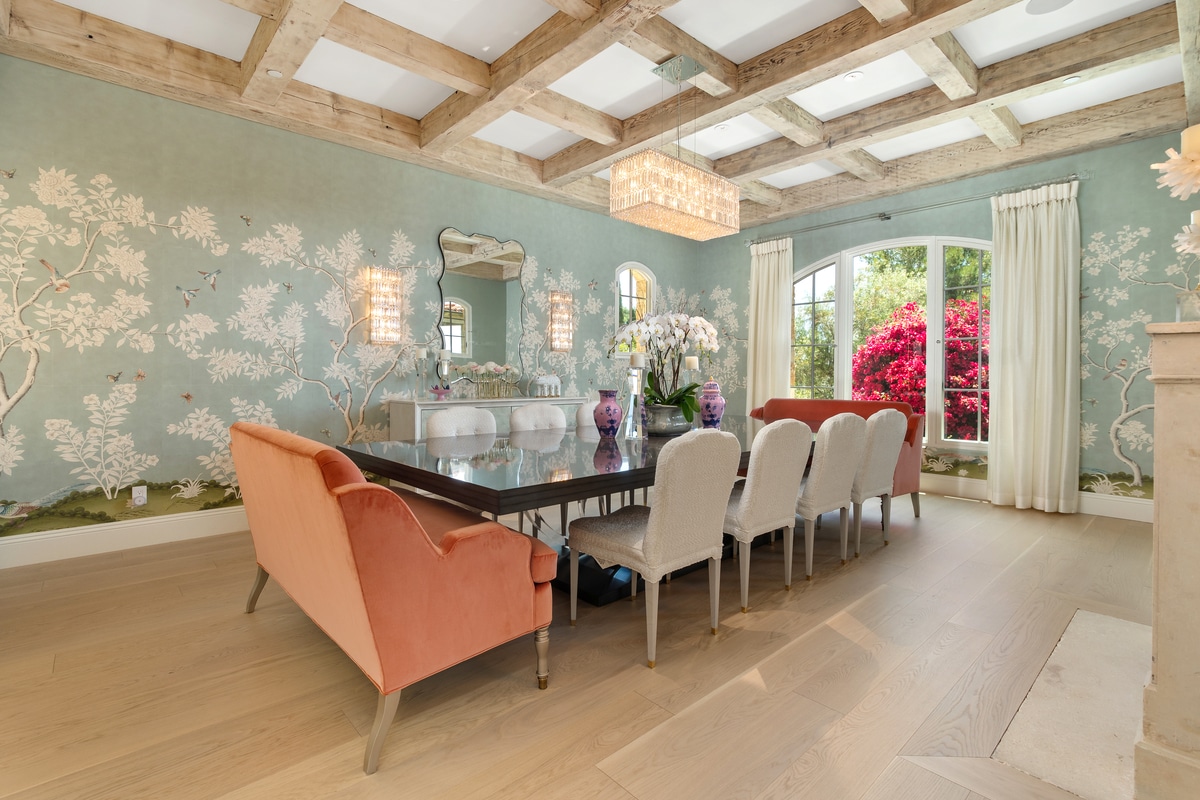
How curated artwork becomes a defining layer in high-end residential design
Art is more than decoration—it’s memory, emotion, and meaning made visible. In luxury interiors, few elements are as quietly powerful as the right piece of artwork, especially when it’s selected with intention and tailored specifically to the space. That’s why custom art selection plays such an important role in high-end residential design.
Unlike off-the-shelf prints or mass-produced pieces, custom art is chosen or commissioned based on the home’s architecture, palette, and the personal story of its inhabitants. Whether it’s a sculptural installation, a framed canvas, or a textile wall hanging, custom art has the ability to ground a space—and give it soul.
Here’s what to consider when selecting custom art for a personalized, elevated interior.
Scale and Proportion Relative to the Room
One of the first considerations in custom art selection is scale. A piece that’s too small can feel lost, while one that’s too large may overpower the space or interrupt its flow. The goal is balance—between architecture, furniture, and wall dimensions.
In a tall entryway, a vertical painting might draw the eye upward and anchor the volume. In a long hallway, a linear piece or a curated series can guide movement. Above a fireplace or console, the art should relate to the proportions of what it sits above—neither floating alone nor crowding the space.
Designers often use renderings or mockups to test proportion before finalizing selections, ensuring the art feels intentional, not improvised.
Tone, Texture, and Emotional Resonance
Art doesn’t just speak visually—it sets a tone. A monochromatic abstract may bring calm to a minimalist space. A bold figurative piece can introduce narrative and depth. A sculptural wall relief in stone or plaster might add softness and movement to a room of clean lines.
When selecting or commissioning custom art, consider:
- What mood should this room convey?
- Should the art contrast with or complement the materials around it?
- Does it reflect the values or stories of those who live here?
In high-end homes, it’s not about matching—it’s about layering texture and tone in a way that enhances both space and story.
Color and Material Integration
Color is another key factor in custom art selection—but it doesn’t always have to match the palette of the room. In fact, art often works best when it adds a new voice to the composition. That might be a rich ochre in a neutral space, or a cool graphite drawing in a room with warm wood tones.
Designers consider how artwork interacts with nearby materials—stone, metal, plaster, fabric—and how it reflects natural and artificial light. In some cases, the medium itself (oil paint, ceramic, textile, metal leaf) can echo or contrast with the materiality of the interior.
This balance creates a sense of harmony, without feeling overly coordinated or predictable.
Personal Meaning and Narrative
One of the most compelling reasons to pursue custom art selection is the opportunity to incorporate pieces that hold personal meaning. That could mean working with a favorite artist on a commission, displaying a client’s own collection in a new context, or curating works that reflect a shared cultural heritage, travel memory, or point of inspiration.
In many Kern & Co. projects, art is used to quietly express identity—without being literal. A textured canvas may draw on the hues of a landscape the client loves. A mixed-media work may reflect a balance of restraint and complexity that mirrors the home itself.
The key is to choose art that doesn’t just fit the space—but belongs in it.
Installation and Placement for Maximum Impact
Even the most beautiful piece of art can be diminished by poor placement. Designers consider height, spacing, lighting, and sightlines when installing artwork—treating it as part of the architectural and visual composition of the room.
In some homes, lighting is integrated directly above or below the artwork to highlight its texture or frame. In others, the art is aligned with furniture or architectural lines to create visual rhythm.
For gallery walls or grouped pieces, spacing is calculated to feel intentional—not cluttered or improvised. And for statement works, the surroundings are often simplified to let the art breathe.
Collaborating With Artists and Galleries
Custom art selection often involves working directly with artists, gallerists, or consultants to source or commission pieces. Designers help bridge the conversation—ensuring that the piece aligns with the scale, palette, and story of the space.
This collaboration may include:
- Reviewing sketches or mockups
- Adjusting colors or materials
- Selecting frames or mounting techniques
- Coordinating timelines for installation
The process ensures that the final piece feels woven into the design, rather than added as an afterthought.
When approached thoughtfully, custom art selection becomes a defining layer of interior design. It adds personality without noise, richness without repetition, and emotion without excess.
More than a finishing touch, custom artwork has the power to anchor a space—to remind its inhabitants of what they value, and to bring depth, story, and soul to every room.
Interior Design Articles