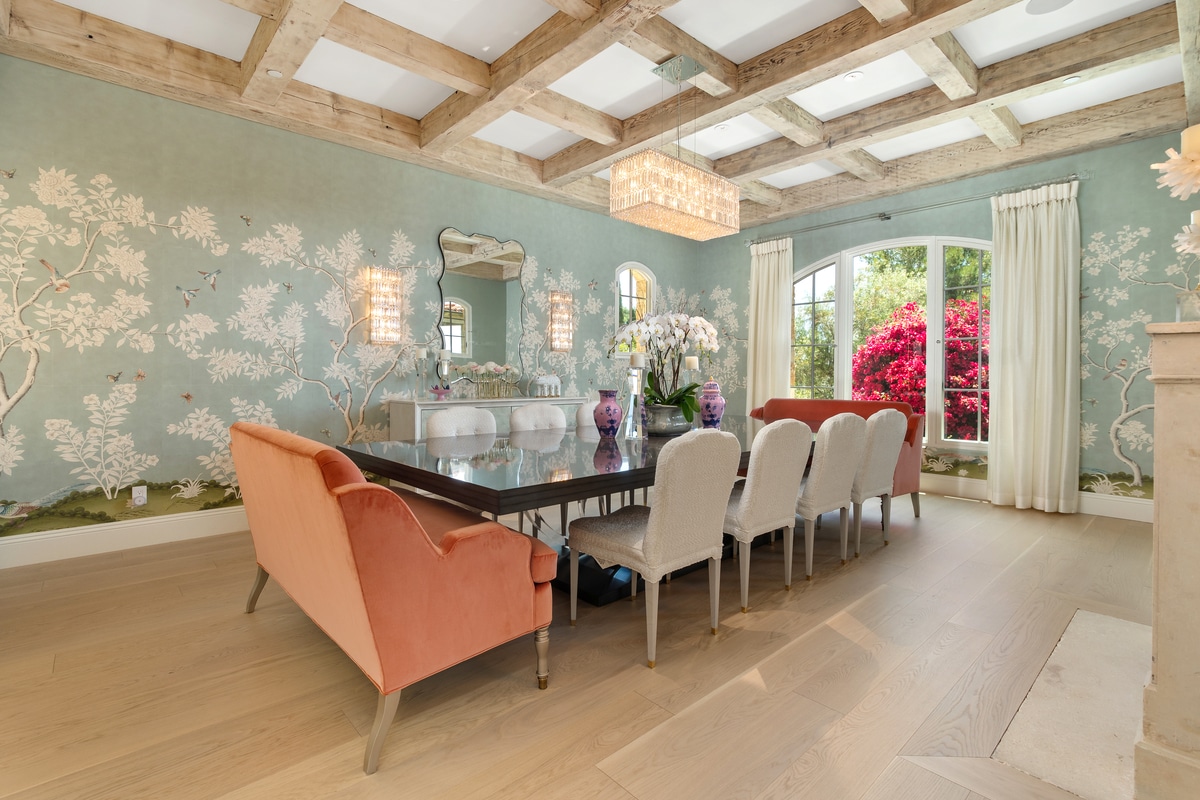
Why bespoke furnishings carry a premium—and why they’re worth it in a luxury home
Custom furniture isn’t just about aesthetics—it’s about creating pieces that are as personal as they are permanent. When designed with care, custom furnishings reflect the architecture of the home, the lifestyle of the client, and the vision of the designer. But alongside that personalization comes a natural question: what drives custom furniture design cost?
Understanding the investment behind these pieces helps reframe the conversation—from one focused on price to one centered around value. Because in the world of high-end interiors, the return on custom furniture isn’t measured only in dollars—it’s measured in fit, longevity, and how seamlessly the piece serves both function and beauty.
Let’s explore what goes into the cost of custom furniture design, and why it’s one of the most enduring investments in a luxury home.
One-of-a-Kind Design, Not Mass Production
At the most basic level, custom furniture design cost reflects the difference between something made for anyone and something made for you. Unlike mass-produced furnishings that are standardized for efficiency, custom pieces are conceptualized from scratch—with scale, material, and proportion crafted to suit your home, your lifestyle, and your aesthetic.
This design process involves collaboration between designer, client, and fabricator. From initial sketches to final renderings, time is spent refining every detail to ensure harmony with the architecture and other furnishings in the space.
This level of attention is what gives custom pieces their presence—they feel like they belong, because they were designed to.
Material Quality and Sourcing
High-end custom furniture begins with premium materials. Solid woods (walnut, oak, ash), hand-selected stone, unlacquered brass, natural leathers, and artisan textiles all contribute to a piece that is not only beautiful, but built to last.
Often, these materials are sourced specifically for a project—whether it’s bookmatched marble for a dining table or reclaimed wood with a particular provenance. This adds to the cost, but it also elevates the piece beyond the ordinary, making it both a design element and a conversation piece.
Designers also consider how materials age. Custom furniture is built to develop character over time, becoming more beautiful—and more personal—with every year.
Craftsmanship and Labor
At the heart of every custom piece is the hand of a skilled craftsperson. These artisans bring the designer’s vision to life, using joinery techniques, finish work, and fabrication methods that are both time-intensive and detail-focused.
Unlike factory-made pieces, which prioritize speed and volume, custom furniture emphasizes precision and artistry. This might include hand-tufting upholstery, carving solid wood legs, or applying multiple layers of custom stain by hand.
That labor—often done in small, specialized workshops—represents a significant portion of the overall cost. But it’s also what sets these pieces apart. They aren’t simply manufactured—they’re made.
Tailored Functionality
Custom furniture doesn’t just look better—it works better. Whether it’s a media cabinet that hides cords and devices, a banquette with integrated storage, or a console perfectly scaled to a specific wall, custom design allows for functionality that fits your life.
This level of personalization adds to the cost—but also eliminates compromise. You’re not settling for a piece that’s almost right—you’re investing in one that’s exactly right.
In the long run, that precision reduces the need for replacement or modification, further reinforcing the value of the initial investment.
Enduring Value Over Time
When viewed over the life of a home, custom furniture design cost becomes an investment in longevity. Mass-produced pieces are often replaced every few years as styles shift or materials wear. Custom furniture, by contrast, is built to endure—both structurally and stylistically.
Because it’s designed to reflect the home’s architecture and the client’s taste, it rarely feels dated. And because it’s crafted with heirloom-level quality, it remains a meaningful part of the home’s story for decades.
Many clients even pass these pieces down, transforming them from furnishings into family history.
Investment With Intention
Ultimately, the cost of custom furniture design reflects a mindset: one that values craftsmanship over convenience, longevity over instant gratification, and personalization over pretense.
It’s not about spending more—it’s about spending with intention, choosing pieces that elevate daily life and express who you are in the quiet language of form, material, and detail.
In the context of a luxury interior, custom furniture is not a splurge. It’s the foundation. And it’s one of the few design investments that returns value every single day you live with it.
Interior Design Articles