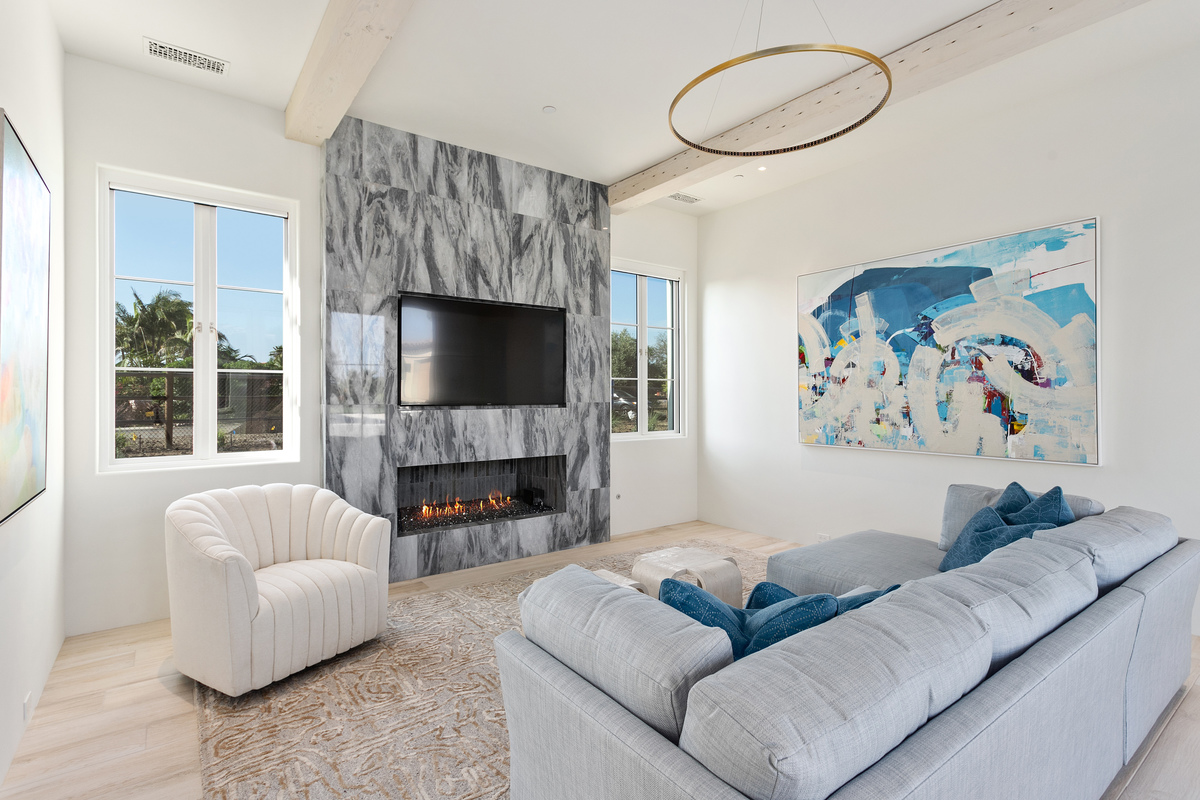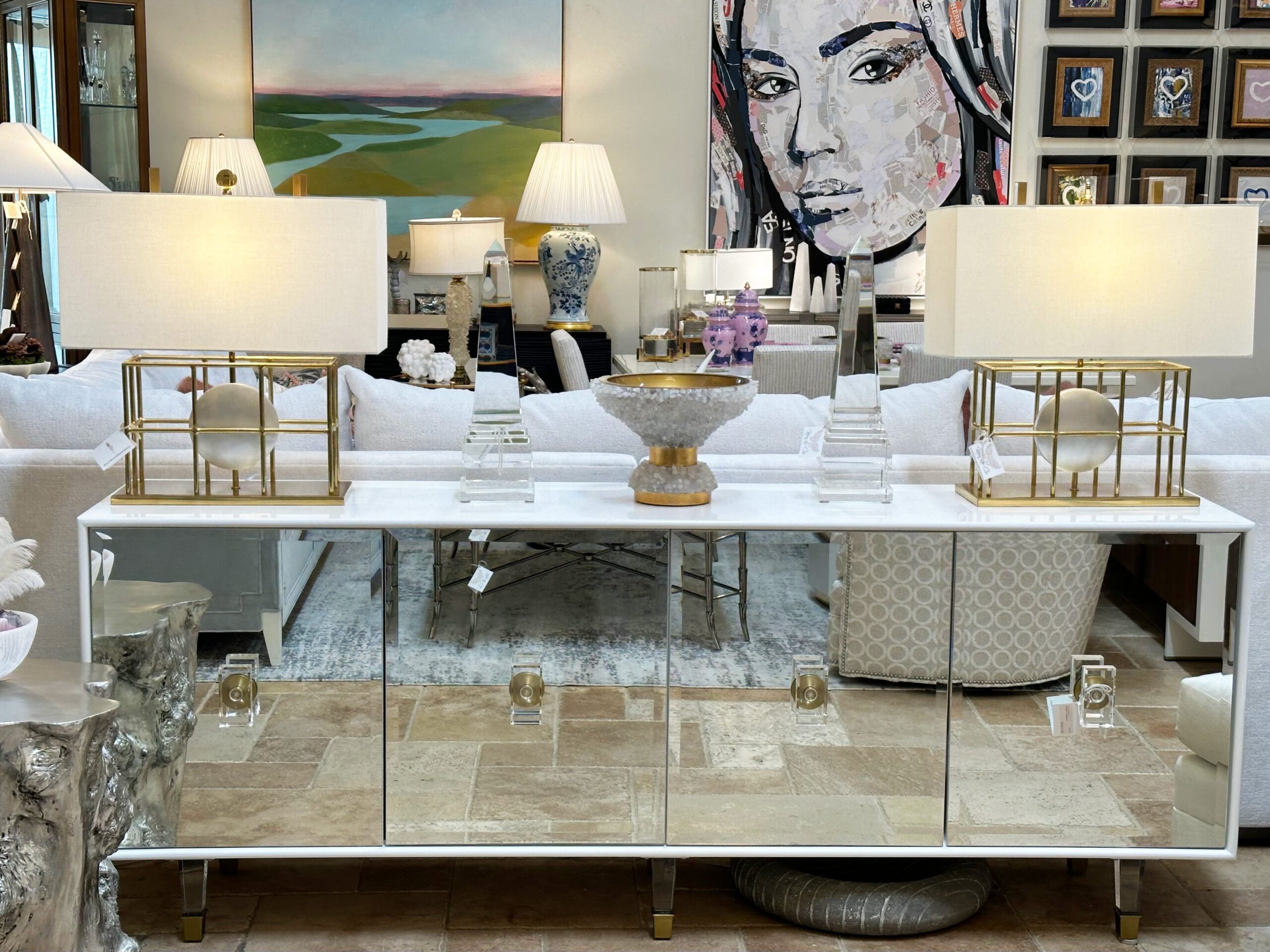
The most interesting living room design trends right now aren’t about owning more—they’re about owning fewer, better pieces: a hero sofa in a performance fabric, a hand-knotted rug that calms the room, a sculptural coffee table, layered lighting, and tailored window treatments that shape the daylight.
Naturally, the next question is: what does this actually cost?
This guide walks through the major elements of a trend-forward, high-end living room and gives relative cost ranges and where to invest vs. where you can edit. Exact numbers will vary by region and vendor, but the relationships between them stay surprisingly consistent.
The Hero Sofa: Your Biggest Line Item
In almost every elevated living room, the sofa is the single biggest furnishing investment—and where trends in 2025 (edited warmth, performance fabrics, generous depth) really show up.
What’s trending
- Deep seats (38–42 inches) for real lounging
- Performance textiles that look like linen or bouclé but handle daily use
- Slim, tailored arms and legs for a lighter profile
- Spring-down or down-blend cushions for comfort that doesn’t collapse
Cost tiers (approximate relative bands)
- Entry luxury: a good-quality, ready-made sofa with upgraded performance fabric and better cushions
- Mid–high luxury: semi-custom sizing, upgraded suspension, and a curated performance fabric line
- Bespoke: fully custom frame, exact sizing for your room and body, hand-tied suspension, and COM (customer’s own material) fabric
Where to invest
If you invest in one major piece, make it the sofa. A high-quality sofa:
- Sets the comfort level of the entire room
- Will outlast two or three lower-quality replacements
- Dictates the scale of every other piece
You can simplify elsewhere—side tables, stools, even some accessories—but a skimpy sofa will make the whole room feel off.
The Rug: Grounding the Room and Quieting Sound
Current living room trends rely on large rugs that anchor all the seating, rather than small “islands” under the coffee table. The rug is also a major acoustic tool in open plans.
What’s trending
- Hand-knotted wool rugs in low, dense piles
- Tone-on-tone or gently patterned designs that don’t fight the furniture
- Sizes large enough that at least the front legs of all seating sit on the rug (often more)
Cost tiers
- Machine-made or tufted: more affordable upfront, may show wear sooner
- Hand-loomed: mid-tier, good in low-traffic or smaller spaces
- Hand-knotted wool: higher initial cost, but excellent longevity and repairability
Where to invest
If your room has hard surfaces, tall ceilings, or an open plan, a better rug is worth it:
- It reduces echo and makes the room feel expensive even when everything else is quiet
- It visually unifies multiple pieces into one cohesive conversation zone
- It often outlasts the sofa when well cared for
To keep costs sane, you can choose a subtler pattern and a standard size rather than a fully custom rug, but resist going too small or too flimsy.
The Coffee Table: Sculpture You Actually Use
2025 living room trends lean toward fewer, larger tables in strong materials—piece-as-sculpture instead of tiny clusters.
What’s trending
- Monolithic stone or stone-top tables with honed or leathered finishes
- Ebonized or warm woods with matte, touchable finishes
- Softened corners and edges for a more inviting, family-friendly feel
Cost tiers
- Ready-made tables in veneer or composite materials
- Better-made retail: solid wood, durable finishes, some natural stone options
- Custom: specific footprint, stone species and edge profile, integrated storage as needed
Where to invest
A coffee table can be a smart place for mid-level investment:
- It’s highly visible and central to the room’s composition
- The right material (like honed stone) expresses the “quiet luxury” trend immediately
- It’s also replaceable later if you want to refresh the look
You can often choose a simple, well-proportioned retail piece in a good finish and still get a high-end effect, especially if the sofa and rug are strong.
Lighting: Layers and Scenes, Not Just a Pretty Fixture
Contemporary living room design is defined as much by how light behaves as by what furniture you choose. Cost here is about the system, not just the chandelier.
What’s trending
- Ambient light from recessed fixtures or concealed coves with soft, regressed trims
- Task light from floor and table lamps at seating level
- Accent light grazing plaster, stone, or art
- Simple, labeled keypad scenes: Morning, Evening, Entertain, All Off
Cost components
- Recessed or track fixtures and trims
- Decorative pieces (chandeliers, pendants, floor and table lamps)
- Dimming and control systems (standard dimmers vs. integrated scene controls)
Where to invest
- Invest in: at least one good-quality decorative fixture and a few beautiful lamps, plus reliable dimming
- Spend smart: use well-placed, mid-priced recessed or track heads with attention to aiming; you don’t need the most expensive housings to get a beautiful effect
- Consider later upgrades: if budget is tight, pre-wire for a more sophisticated control system and upgrade the keypads later
Lighting is where cost can creep unexpectedly. The payoff is huge but you can phase it: start with better lamp and fixture choices and straightforward dimming, then expand to full scene control when it makes sense.
Window Treatments: Design, Comfort, and UV Protection
In trend-forward living rooms, shades and drapery are doing triple duty: finishing the room, managing glare, and protecting materials from fading.
What’s trending
- Motorized roller shades in light-filtering or sheer fabrics
- Interlined drapery with tailored headings (ripplefold or pinch pleat)
- Hardware planned for proper stack-backs so views stay clear
Cost tiers
- Basic ready-made panels and manual shades
- Made-to-measure drapery with quality linings and hardware
- Fully integrated systems with motorization, shade pockets, and whole-room control
Where to invest
- Prioritize investment in rooms with strong sun or big views
- If full motorization isn’t feasible, consider:
- Custom drapery panels (for look and acoustics), and
- Manual rollers or Roman shades in a UV-aware fabric
Because treatments are large, they have an outsized visual impact. A well-made, neutral drape can make modest furniture look instantly elevated.
Built-Ins and Millwork: Storage that Makes the Trend Possible
The current trend toward minimal, edited rooms only works when there’s somewhere for real life to go. That’s the role of built-ins.
What’s trending
- Media walls that conceal the TV behind paneling, sliding doors, or integrated niches
- Low credenzas for storage under art or TVs
- Window seats with storage below cushions
- Flanking bookcases designed for a curated, not crammed, look
Cost tiers
- Ready-made consoles and shelving
- Modular systems with upgraded finishes
- Fully custom millwork designed to the inch, painted or veneered, with integrated lighting
Where to invest
Custom millwork can be one of the more significant costs in a high-end living room, but it:
- Eliminates the need for extra storage furniture
- Hides media, wiring, and visual clutter
- Defines the architecture of the room
If you can’t commit to a full wall, a single well-designed credenza or low built-in under a TV can deliver a similar visual calm at a smaller investment.
Art and Styling: The Human Layer
Trends at the high end favor fewer, larger pieces instead of many tiny items, which is good news for cost management—if you’re disciplined.
What’s trending
- One or two significant artworks or photographs per major wall
- A small set of meaningful objects (vessels, bowls, books)
- Plants used sparingly as sculptural elements
Cost tiers
- Affordable prints and reproduction pieces
- Mid-range original work or small originals plus larger prints
- Full collection of commissioned or gallery-sourced originals
Where to invest
- Start with one or two important pieces in key sightlines and keep styling minimal
- You can upgrade art over time; the room will still feel complete if the scale and placement are right
The biggest mistake—both visually and financially—is over-buying small décor. Fewer, better pieces will look more current and cost less over the long run.
Where to Spend vs. Where to Save (Without Looking Cheap)
To align with living room design trends while keeping cost rational, think in three tiers:
- Must-invest categories
These hold the room together and are costly to replace:
- Sofa – comfort + durability
- Rug – size + quality for sound and cohesion
- Window treatments – scale + light control
- Smart-invest categories
These can be mid-range with careful selection:
- Coffee table and side tables – strong form, honest materials
- Decorative lighting – at least one great fixture or lamp; layer in simpler pieces
- Flexible categories
These are easiest to phase or evolve:
- Art and accessories – start with a few good items, add slowly
- Millwork add-ons – begin with a single custom piece; expand later
By weighting your budget this way, you get a room that feels cohesive and current even if some elements are phased in over time.
Cost Drivers You Might Not Expect
A few things influence cost more than people realize:
- Room size: Larger rooms mean larger rugs, more seating, more lighting, and more drapery width/height.
- Ceiling height: Taller ceilings need bigger fixtures, longer drapery, and often more lighting to feel balanced.
- Sun exposure: Strong light may demand better fabrics, UV-conscious shades, and more robust finishes.
- Existing conditions: If the room needs electrical work, new junction boxes for sconces, or shade pockets framed in, those infrastructure costs can rival the furnishings.
Understanding these drivers early helps you set realistic expectations and avoid surprises.
Pulling It All Together
A living room that feels right in today’s design landscape—calm, edited, tactile, and functional—doesn’t come from one trendy object. It’s the sum of:
- A comfortable, well-made sofa
- A large, quality rug that fits the space
- A coffee table with strong presence
- Layered lighting and simple scene control
- Thoughtful window treatments
- Enough storage to keep surfaces clear
- A few pieces of art and styling that feel genuinely personal
The cost of living room design trends is really the cost of building a space that will still feel good five or ten years from now. When you prioritize the pieces that affect daily comfort, acoustics, and light—and simplify everywhere else—you get a room that looks elevated, lives easily, and doesn’t need to be reinvented every season.
Interior Design Articles